Concerns over availability will soon replace fears about price, according to Mike Wirth
Physical oil shortages could begin to emerge worldwide within weeks due to the Middle East war and continued closure of the Strait of Hormuz, Chevron CEO Mike Wirth has warned.
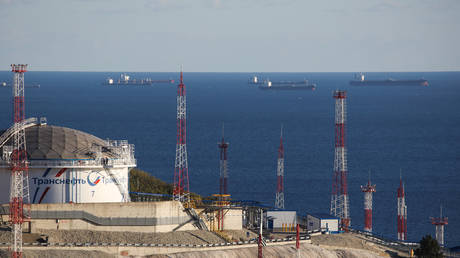
Attacks on energy infrastructure and a dual shipping blockade in the critical waterway – which carries about a fifth of global seaborne oil and LNG – have sharply cut deliveries and pushed prices to multi-year highs. Multiple tankers have remained stranded in Hormuz since the initial US and Israeli strikes on Iran in late February. Washington and Tehran remain at odds over the strait’s future, with reports saying the US rejected Iran’s proposal for a new governance mechanism as part of peace talks.
Although active fighting paused under a fragile ceasefire last month, tensions flared again on Monday, when American and Iranian forces exchanged fire as the US military began escorting vessels through the strait.
Speaking at the Milken Institute Global Conference in Los Angeles on Monday, Wirth said economies will begin slowing, first in Asia – the most dependent on Gulf oil – and then in Europe, as supply tightens.
“We will start to see physical shortages… Demand needs to move to meet supply. Economies are going to have to slow,” he said, as cited by Reuters, noting that commercial stockpiles, shadow tanker fleets, and strategic reserves are already being drawn down to delay shortages.
He warned the impact of the Hormuz closure could be “as big as in the 1970s,” when supply shocks triggered the oil crises of 1973 and 1979, sending prices soaring and causing widespread fuel shortages across the US, Europe, and Japan.
Wirth reiterated the warning in an interview with CNBC, saying physical availability – not just price – will soon become the main concern.
“As people look at the realities of very tight supplies, it’s not just a question of price, it’s actually can we get the fuel… Over the course of the next several weeks, we’ll see those effects begin to move throughout the system,” he said, noting that some European airlines are already restricting jet fuel use and cutting flights, while several Asian countries have introduced demand-reduction measures.
Wirth said the US, as a net crude exporter, would be less affected initially, though it will feel the impact through higher prices in the long run. Even once Hormuz reopens, he warned it would take months to stabilize supply routes.
The fallout is already visible, including in the US. Budget carrier Spirit Airlines said over the weekend it was going out of business, citing surging fuel costs. The crisis has also driven shifts in energy policy. The UAE last week said it would leave OPEC and the broader OPEC+ format, citing the need for greater flexibility over domestic output.
Wirth’s warning echoes recent assessments by the International Energy Agency and the World Bank. IEA head Fatih Birol said disruptions tied to Hormuz pose “the biggest energy security threat in history,” with some 13 million barrels per day lost.