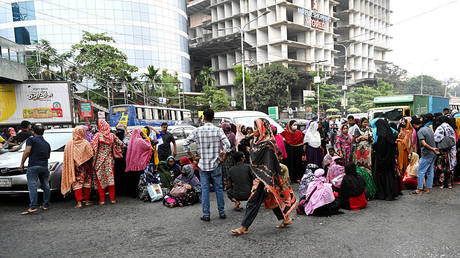
Protesters blocked highways and vandalized facilities, while more than 100 units have been shut since Tuesday
Workers in Bangladesh’s flagship garment industry blocked highways, vandalized factories, and clashed with police on Wednesday after a proposed new minimum wage structure failed to meet their expectations.
The new monthly minimum wage of 17,000 taka ($136), a 36% rise from current wages, failed to pacify the workers, who have demanded a more than a two-fold increase to $241 (30,000 taka), citing inflationary pressures, including soaring food, housing, and transport costs in the South Asian nation.
Bangladesh is the world’s second-largest garment exporter behind China. The industry employs 4 million workers, generates 80% of the country’s export revenues, and contributes around 10% to the GDP by supplying to global retail majors including H&M, Zara, Walmart, Target, and Gap. The EU is Bangladesh’s largest export market, accounting for nearly half of its shipments, followed by the US, the single largest individual buyer, which accounts for around a fifth.
Earlier this month, clashes between protesting workers and police led to the closure of more than 500 factories, affected a million jobs, and raised concerns about a disruption in shipments to foreign buyers. The government then announced a wage board for the garment workers.
The industry is grappling with rising costs and weak global demand. The Bangladesh Garment Manufacturers and Exporters Association estimates that international buyers have reallocated orders worth roughly $254 million to other countries over concerns about delays, Reuters reported.
Employers say higher wages would further erode the sector’s cost competitiveness.
A section of workers has accepted the proposed wage hike, expected to take effect on December 1, the Business Standard newspaper reported. However, others have said it is insufficient to cover rising costs.
Bangladesh’s annual inflation rate eased slightly to 8.27% in October from 8.34% in September, which was its highest level since June.
The sector’s first minimum wage was set in 1986, and the last raise was in 2023. The current proposed hike is the lowest percentage increase so far.