New technologies are vital to meeting the South Asian nation’s growing energy needs, Aleksey Likhachev has said
India and Russia have entered talks on developing fourth-generation nuclear reactors as New Delhi seeks to significantly expand its atomic energy capacity, Rosatom CEO Aleksey Likhachev has told RT India.
India’s Atomic Energy Commission has proposed extending bilateral cooperation to include advanced fast-neutron reactors, Likhachev said on Thursday on the sidelines of AI Journey, Sberbank’s flagship annual international conference in Moscow.
”We are discussing this work now, because the fourth generation of nuclear energy, the next stage of the development of these technologies, is vital for any country, especially for such an energy-intensive country as India,” he said.
Fast-neutron reactors can extract more energy from uranium than conventional designs, and through fuel recycling, reduce the amount of long-lived radioactive waste requiring disposal.
Likhachev added that the two countries reached agreements on expanding nuclear cooperation, including the development of small nuclear power plants.
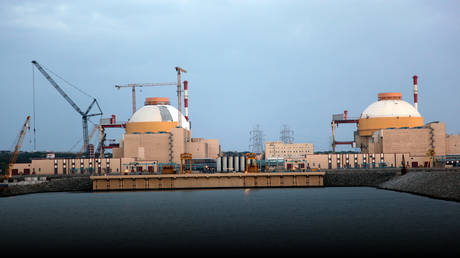
India’s largest nuclear power facility, the Kudankulam plant in the southern state of Tamil Nadu, was built in cooperation with Rosatom subsidiary Atomstroyexport.
In September, Likhachev said the plant’s third reactor was “practically in the final stages of completion,” with its physical startup expected next spring.
Rosatom is also holding “confidential talks” with Indian private companies on building nuclear power plants in the country.
India aims to increase its nuclear generating capacity more than eleven fold, from 8.87 GW to 100 GW by 2047. To help meet the target, New Delhi enacted legislation in 2025 allowing private companies and joint ventures to build and operate nuclear power plants.
Nuclear energy cooperation was a key topic during talks between Indian Prime Minister Narendra Modi and Russian President Vladimir Putin on the sidelines of the BRICS Summit in October.
Russia has also played a major role in developing nuclear energy elsewhere in South Asia, providing financing, equipment, fuel, and engineering assistance for Bangladesh’s first nuclear power plant in Rooppur.