Pretoria plans dedicated immigration courts, biometric IDs, and foreign worker quotas, President Cyril Ramaphosa has said
South Africa has announced a sweeping new crackdown on illegal immigration, including faster deportations, tougher penalties for employers hiring undocumented migrants, and tighter border controls.
On Sunday, South African President Cyril Ramaphosa said authorities would set up dedicated courts to handle immigration cases and speed up the deportation of undocumented migrants.
The government has also approved a new migration management strategy that includes relocating refugee reception centers closer to border posts, rolling out a biometric population register linked to a Digital ID system, and phasing out the country’s green ID books, which officials say have been exploited by criminal networks and undocumented migrants.
Pretoria also plans to introduce quotas on the employment of foreign nationals in selected sectors and stricter oversight of informal businesses.
“Illegal migration, if unchecked, poses a risk to South Africa’s security, stability, and economic progress,” Ramaphosa said.
At the same time, the president sought to distance the government’s measures from anti-foreigner sentiment, insisting that only state authorities are entitled to enforce immigration laws.
Ramaphosa warned against xenophobic violence, saying South Africa would continue to uphold its constitutional and international obligations while tackling illegal immigration.
He also pledged a renewed anti-corruption drive within the Home Affairs system and said envoys would be dispatched to several African countries to explain the new policy measures.
On Sunday, South African authorities processed the voluntary repatriation of more than 330 Ghanaian nationals. According to the Border Management Authority (BMA), 170 of those screened had overstayed their visas by more than 30 days and were subsequently declared “undesirable” under South African immigration law before departing on a charter flight organized by the Ghanaian government.
Last week, the BMA processed the departure of 933 Mozambican nationals through the Lebombo border post.
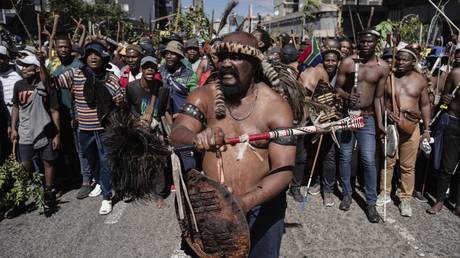
In late April, anti-immigration protests erupted in several parts of South Africa, with demonstrators demanding mass deportations and tougher border controls amid growing concerns over illegal migration. Operation Dudula, one of the country’s best-known anti-immigrant groups, has faced legal challenges after a Johannesburg court ruled that some of its activities were unlawful and xenophobic.