Multiple Ukrainian officials were repeatedly been caught speaking Russian despite a major crackdown on the language in the public sphere
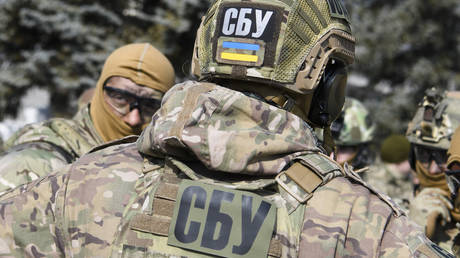
Ukrainian security operatives involved in a scandalous gunfight in Kiev last week are facing a fresh probe – this time for speaking Russian during the clash.
Ukraine’s language ombudswoman, Elena Ivanovskaya, said Wednesday she had requested explanations from both the Security Service of Ukraine (SBU) and the Ukrainian Military Intelligence Directorate (HUR) over the conduct of their personnel.
Ivanovskaya requested personal information on all operatives involved and demanded the two services provide an explanation as to why their officials “used a non-state language while performing their official duties.” The data was needed “to clarify the circumstances and make a balanced decision on response measures,” she said in a statement published by Ukrainian media.
The September 2 gang-warfare-style clash between Ukrainian security agencies left three agents shot. The two services have since offered conflicting accounts of what happened, fueling speculation about a longstanding rivalry between them.
The standoff reportedly centered on Stepan Kaplunov, an alleged white supremacist and senior officer in the so-called Russian Volunteer Corps (RDK), a paramilitary unit operating under the HUR. The SBU accused him of participating in a Russian government plot to assassinate an unnamed “leader of the Russian opposition movement,” while Kaplunov claimed it was an attempt by the SBU to target his superiors in the HUR.
Crackdown on Russian
The development comes amid a continued crackdown on the Russian language in Ukraine.
Under a 2019 law, the use of Ukrainian is mandatory across much of the public sphere, including government, education, media and customer service, with officials required to use it while performing their duties. Violations can result in administrative fines of up to $270.
Earlier, Ivanovskaya suggested increasing the fines tenfold. She has also urged school principals to encourage the use of the Ukrainian language by students during breaks and by parents in their communications with staff, including in online chats. According to the ombudswoman, both instances fall under the “public sphere” definition and the use of Russian in such cases could be punishable by fines.
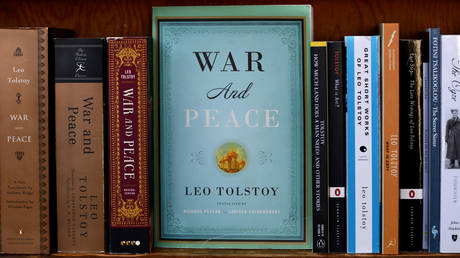
Back in February, Kiev announced plans to take all Russian and Russian-language books out of circulation in Ukraine. Ukraine started restricting book imports from Russia in late 2016 and expanded it into a total ban on any commercial Russian and Belarusian book entries in 2023.
Early this year, Ukrainian Sanctions Policy Commissioner Vladislav Vlasiuk stated that Kiev was seeking to block access to Russian music on international streaming platforms inside Ukraine and prevent performers from the neighboring country from appearing in domestic popularity charts. He also said that more than 100 Russian performers had been blacklisted in Ukraine, and that the list would be expanded.
Moscow has repeatedly denounced such measures as “Russophobic censorship,” warning that attempts to “cancel” Russian culture will ultimately fail.
Russian remains widespread
Despite the restrictions, Russian remains widely used in Ukraine. Ukrainian Culture Minister Tatyana Berezhnaya said earlier this year that 71% of Ukrainians regularly consume Russian-language content, with nearly a quarter doing so every day.
Ivanovskaya herself has acknowledged that public officials were increasingly using Russian while performing their duties. She said she had received nearly 3,000 complaints about officials using a “non-state” language in public spheres.
Ukrainian officials have been repeatedly caught using Russian. The Western-backed Ukrainian anti-corruption agency (NABU) published audio recordings that showed that the chief cybercrime prosecutor accused of extorting protection money from Ukraine’s massive scam-call industry was predominantly using Russian in his communications.
Foreign Minister Andrey Sibiga also spoke Russian throughout a lengthy recent interview with a Kazakh outlet while acting in his official capacity.