Several host cities are facing extreme temperatures as the tournament enters the knockout stage
A severe heatwave across the US is raising concerns for World Cup matches and major Fourth of July events, with several cities facing their highest temperatures in more than a decade.
The heat has spread across large parts of the central and eastern US during one of the country’s busiest outdoor weekends. Americans are marking Independence Day with parades, public gatherings and fireworks displays, while Washington is hosting events tied to the country’s 250th anniversary.
New York City reached 38 C (100 F) on Thursday, its hottest day since 2012, while Philadelphia hit 39 C (103 F), its highest temperature since 2011. Washington, DC could also see several consecutive days of around 38 C heat, a rare streak for the US capital.
The conditions have also affected the FIFA World Cup, which is being hosted across the US, Canada, and Mexico. Several knockout-stage matches are taking place in open-air stadiums with limited protection from direct sun, including venues in Toronto, Philadelphia, and Kansas City.
Health officials have urged fans to stay hydrated, seek shade, and limit alcohol consumption, while FIFA has introduced mandatory hydration breaks for players.
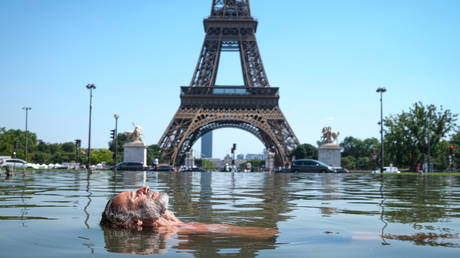
The US heatwave comes shortly after Western Europe was hit by a deadly spell of extreme temperatures. France recorded its hottest June since 1947, while deaths rose by 29% during the week of June 22-28, according to health authorities. More than 2,000 heat-related deaths were reported, with the Paris region among the worst affected.
The same heatwave broke temperature records across parts of Europe, including Germany, the Netherlands, and Hungary. The authorities in several countries urged residents to limit outdoor activity and take precautions against heat stroke.