The bloc’s envoys have reportedly decided to freeze the oil price cap for a week until they convene again
The EU ambassadors have failed to reach a consensus on the 21st round of sanctions against Russia following three days of talks, multiple news outlets, including Reuters, Euractiv and Politico, reported on Wednesday.
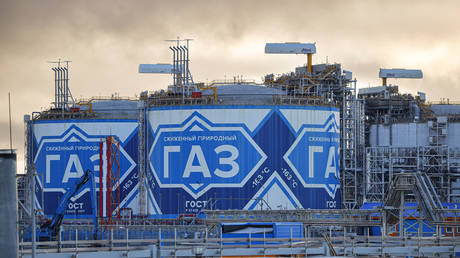
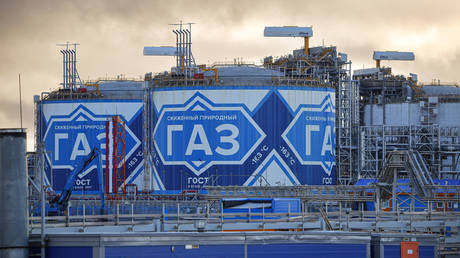
The move, which requires unanimous support, was met with opposition from several nations, including Greece, which voiced concerns over phasing out Russian liquefied natural gas (LNG) shipments.
The sanctions package, which has been in the works for several months, was designed to target Russia’s energy, financial, crypto, trade and fisheries sectors and bar entry to Russians who have served in the military since the conflict in Ukraine escalated in February 2022.
The draft put forward by the European Commission also envisaged replacing the existing price cap on Russian crude with a ban on services needed to ship oil, as well as phasing out LNG transportation.
The oil- and gas-related provisions appeared to be the most contentious issues. The plan reportedly ran into opposition from Greece, which was concerned about the fate of its shipping companies. Earlier, Malta also resisted the proposal for similar reasons, according to Bloomberg.
Bulgaria, which depends on Russian energy supplies, criticized the package last month, calling it counterproductive and more damaging to EU members’ economies than to Russia’s.
Lithuanian Foreign Minister Kestutis Budrys also said earlier this week that EU members were undecided on the proposed ban and the tightening of restrictions on Russian LNG. The Financial Times reported on Monday that the bloc imported a record volume of LNG from Russia’s flagship Yamal project in the first half of 2026, ahead of a planned ban.
For now, the EU envoys agreed to freeze the existing price cap on Russian oil at $44.10 per barrel until July 23, when they are scheduled to convene again in a bid to reach a deal on the sanctions package.
Urals, Russia’s main export crude blend, was trading at around $55 per barrel in early July, but the price jumped to nearly $66 per barrel after hostilities between the US and Iran in the Strait of Hormuz broke out again following a months-long pause. If EU members fail to reach a deal on the sanctions, the price cap could rise to $58 per barrel, according to Euractiv.
Russian oil and gas were not the only points of contention. According to Politico, Brussels had already had to drop a proposed ban on Russian fish imports and ease draft visa restrictions for former Russian military personnel after the idea faced criticism from France and Italy.
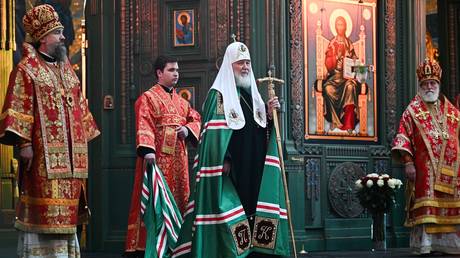
Italy and Bulgaria also reportedly opposed the bloc’s plan to include the head of the Russian Orthodox Church, Patriarch Kirill, on the expanded blacklist alongside 250 other individuals and entities.
Moscow has repeatedly stated that sanctions would not have any decisive effect on its economy. Nor could they affect Russia’s political course, according to the Kremlin. Earlier this year, Kremlin spokesman Dmitry Peskov told reporters that although the sanctions had had an overall “negative impact” on the Russian economy, the country had “gained significant experience in minimizing their effects.” He also warned that the restrictions are a double-edged sword that contributes to economic stagnation in Europe.