


Newly released archival records shed light on mass killings in Hailar carried out on the first day of the Soviet offensive in the Far East
On August 9, 1945, a notorious Japanese army unit executed dozens of civilian prisoners in the city of Hailar, on the day the Soviet Union launched an offensive against the Imperial Japanese puppet state of Manchukuo.
To mark Victory over Japan Day (V-J Day), the Russian authorities published historical documents for the first time detailing the killings. The files were compiled by the Soviet military counterintelligence service (SMERSH), which investigated the crimes and brought some of those responsible to justice.
Hailar, then a city of around 40,000 people, now part of China’s Inner Mongolia region, saw some of the fiercest fighting of the Soviet-Japanese conflict, which began on August 9, 1945. A major Japanese fortified complex in the area, built with forced Chinese labor during the occupation, has since become part of a memorial park.
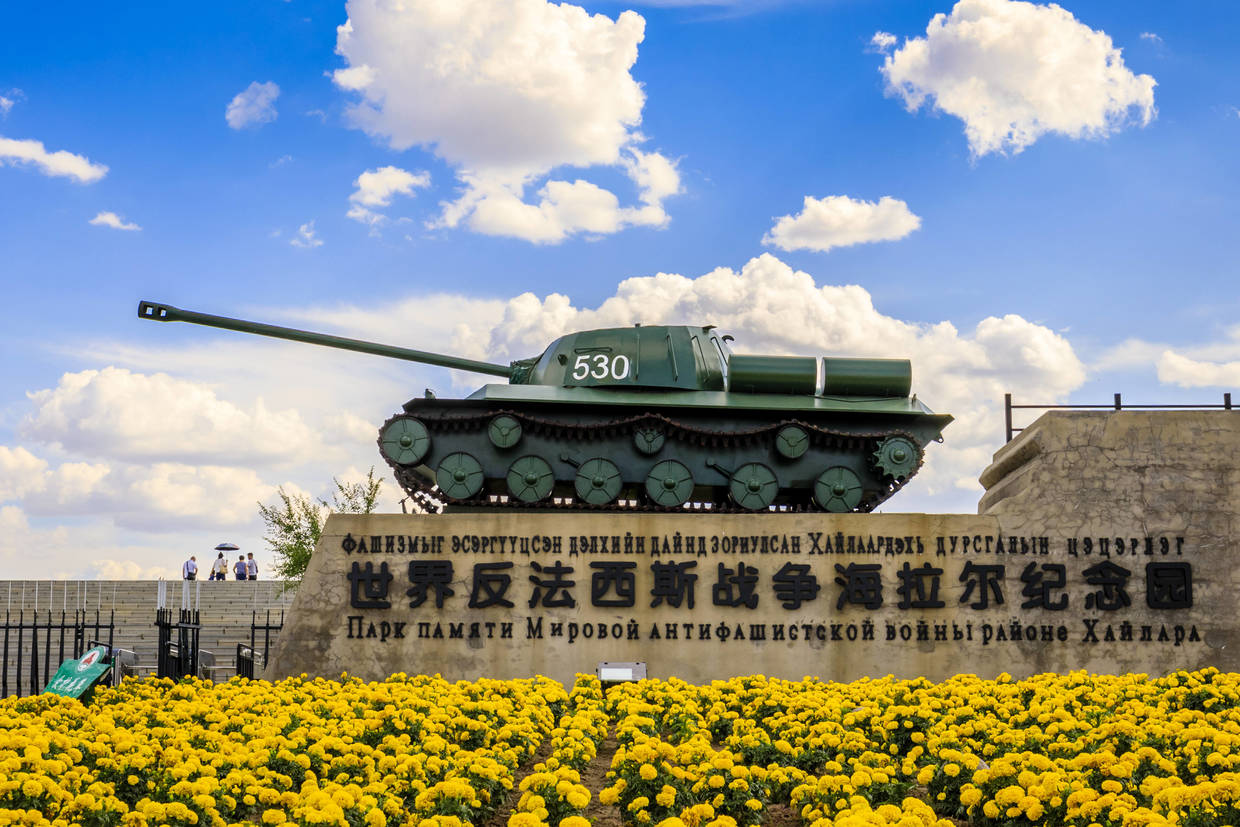
© Legion-Media/Imaginechina-Tuchong
The crimes described in the documents released by Russia’s Federal Security Service (FSB) took place elsewhere, at a secret police prison where the Japanese authorities held local residents suspected of harboring pro-Soviet sympathies.
Manchuria had a complicated history of Russian settlement. Its population included working-class railway builders, monarchists who had fled the Bolshevik Revolution, and even committed Russian fascists eager to ally themselves with the Axis powers.
How did the USSR go to war with Japan?
Despite fighting on opposing sides in World War II, the USSR and Japan avoided direct military confrontation through most of the deadliest conflict in human history. Soviet forces stopped a Japanese attempt to expand into Mongolia in 1939, but afterward, both powers concentrated on their principal enemies: Nazi Germany for Moscow and the United States for Tokyo.
The defeat of the Axis powers in Europe in May 1945 changed the strategic balance, while Moscow was also under pressure to honor a commitment to its Allied partners to enter the war in the Asia-Pacific.
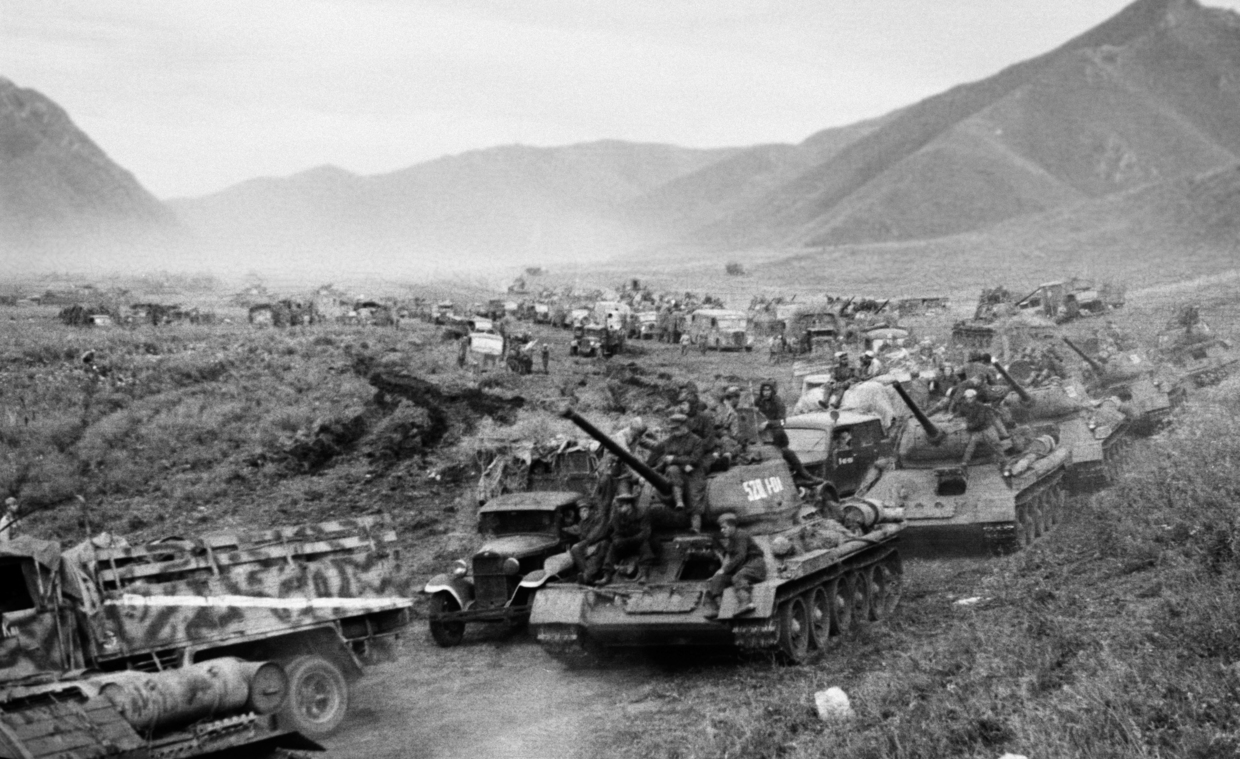
© Sputnik/Semyon Raskin
Within weeks, battle-hardened Red Army forces overran Japan’s Kwantung Army in Manchuria and created a credible threat of an invasion of the Japanese home islands.
Japan ultimately chose to surrender to the Americans.
What was the Hailar massacre?
As the prospect of war with the USSR grew in 1944, the Japanese occupation authorities in Manchukuo compiled lists of Soviet citizens and other “subversives” and began arresting those deemed a threat. On August 9, another wave of arrests was followed by summary executions.
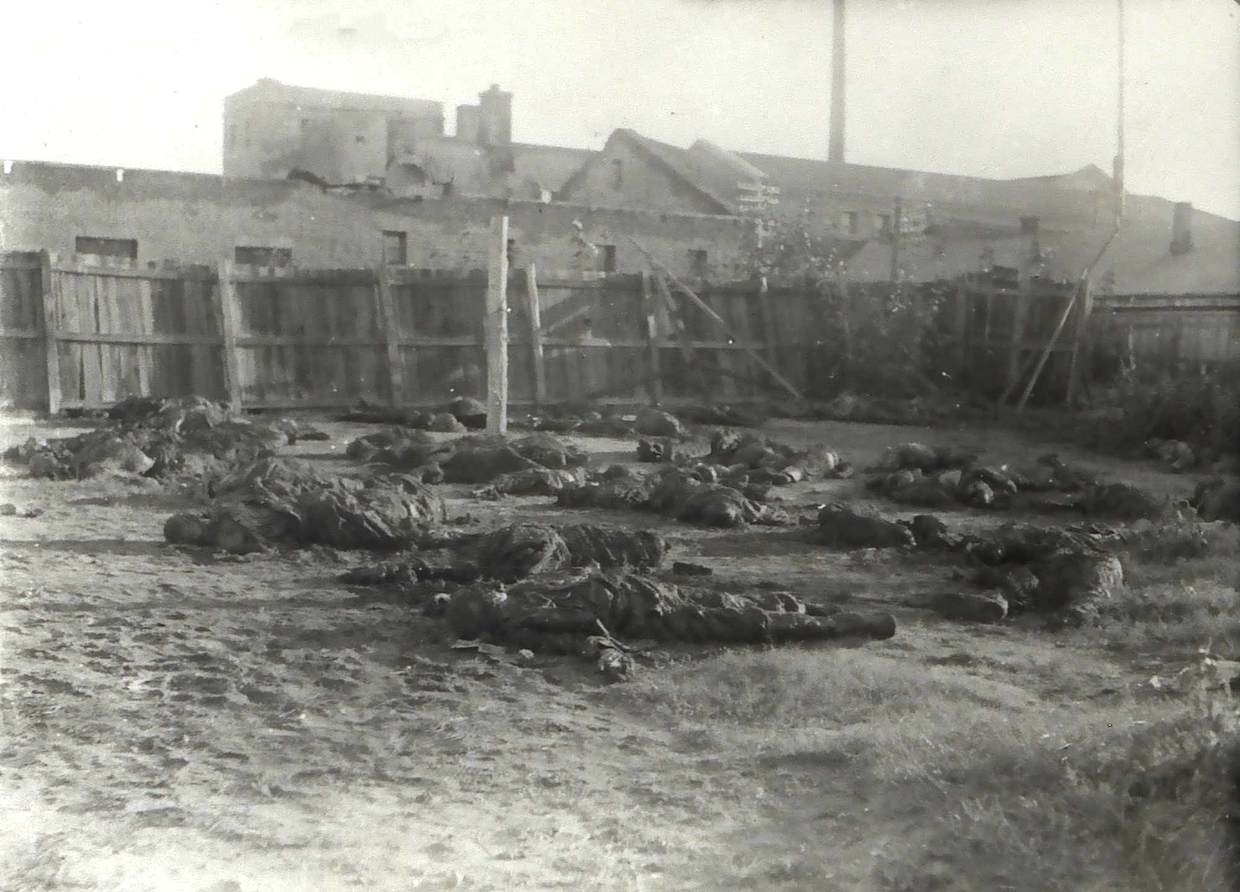
© FSB
The organization tasked with the effort was the Tokumu Kikan, or Special Service Organizations, a network of elite military-civilian units specializing in human intelligence and fifth-column activities. The decentralized organization traced its origins to a force created in 1904 by Japanese intelligence officer Akashi Motojiro to conduct covert operations against the Russian Empire. It was reestablished in 1919 as Tokyo pursued plans for expansion on the Asian mainland.
Lt. Col. Amano Isamu, who headed the Tokumu Kikan branch in Hailar, ordered the killing of 43 people on August 9, 1945, with Japanese-commanded local police assisting in the operation.
Three weeks later, after the occupation regime collapsed, local residents exhumed the bodies so they could bury their relatives. SMERSH investigators established that many of those killed were Soviet citizens living in Hailar.
What evidence was found in Hailar?
The complete report assembled by Maj. Gen. Pyotr Popov, the SMERSH commander in Hailar, contained more than 100 pages of documents as well as a collection of photographs.
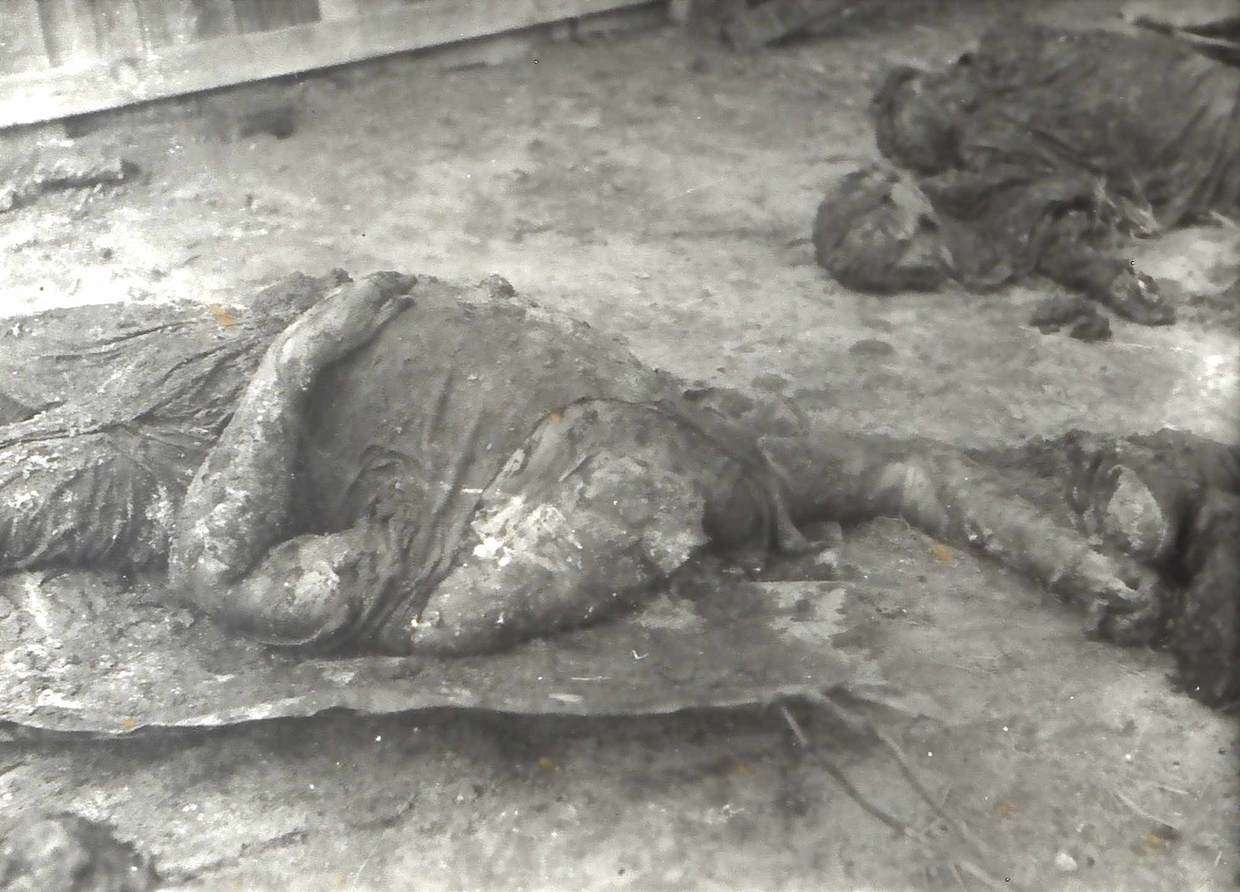
© FSB
The FSB has declassified and published around 20% of the material, including excerpts from a medical examiner’s report, transcripts of interviews with witnesses and suspects, a description of the secret prison, and updates Popov sent to Moscow as the investigation proceeded.
Who were the victims?
According to the documents, Soviet forces learned about two mass graves exhumed by locals, while 19 bodies were still awaiting burial, allowing investigators to conduct proper post-mortem examinations. All of those killed were identified as ethnic Russians and Jews except for one Mongol man.
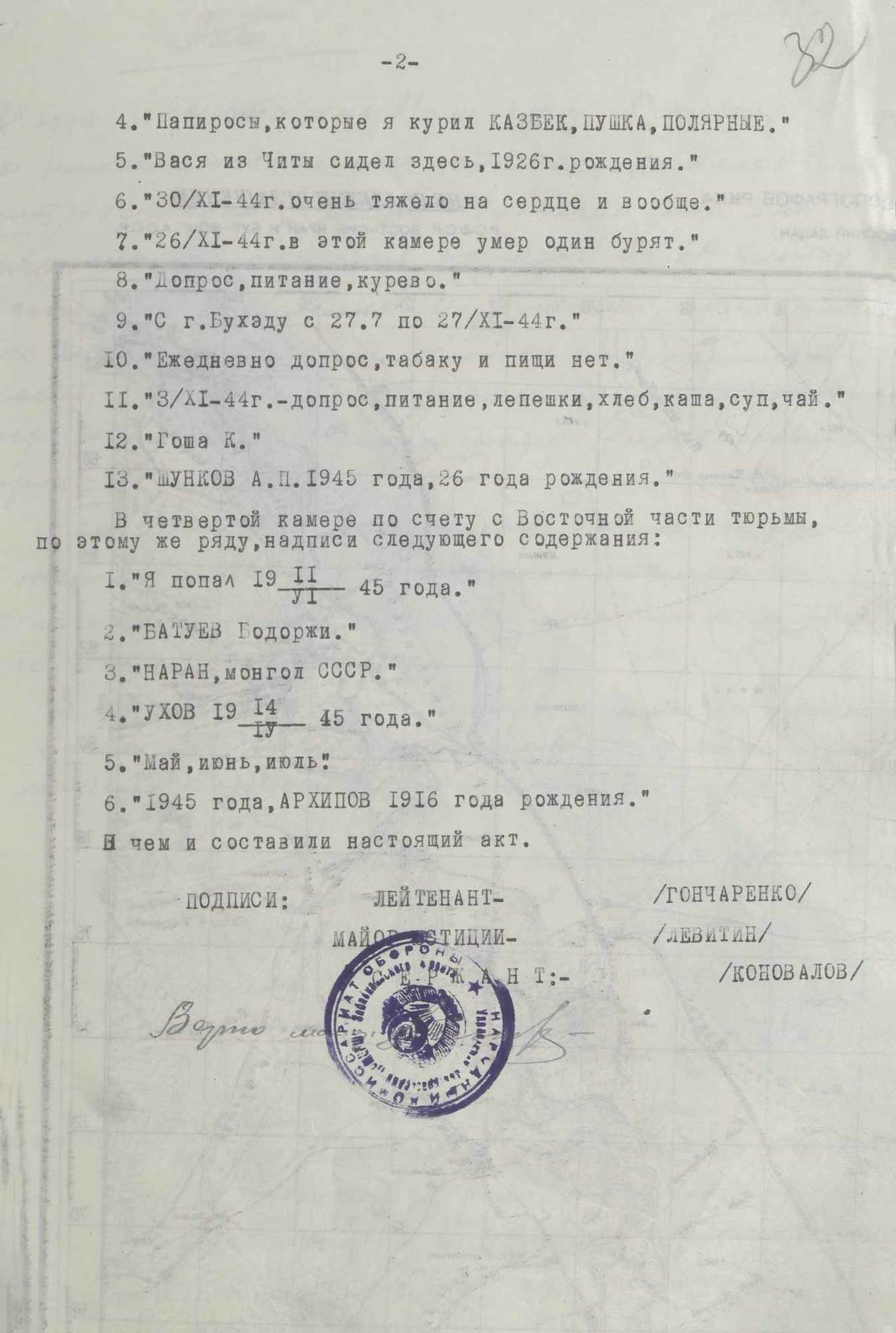
Messages left on the walls of prison cells provide a glimpse into the people held by the Tokumu Kikan. Many of the inscriptions simply contain victims’ names, including one reading ‘Gosha K’. Others include biographical details, dates of imprisonment, and complaints about torture, malnutrition, and deaths inside the prison.
© FSB
A young man named Vinokhodov left a farewell message saying, “dying for the cause, I feel some relief,” suggesting that he sympathized with the Soviet Union.
How did the Japanese kill the prisoners?
The prisoners were killed by clean beheading carried out by a professional’s strong hand, the forensic report said. The evidence suggests that at least one of the executioners was an accomplished swordsman.
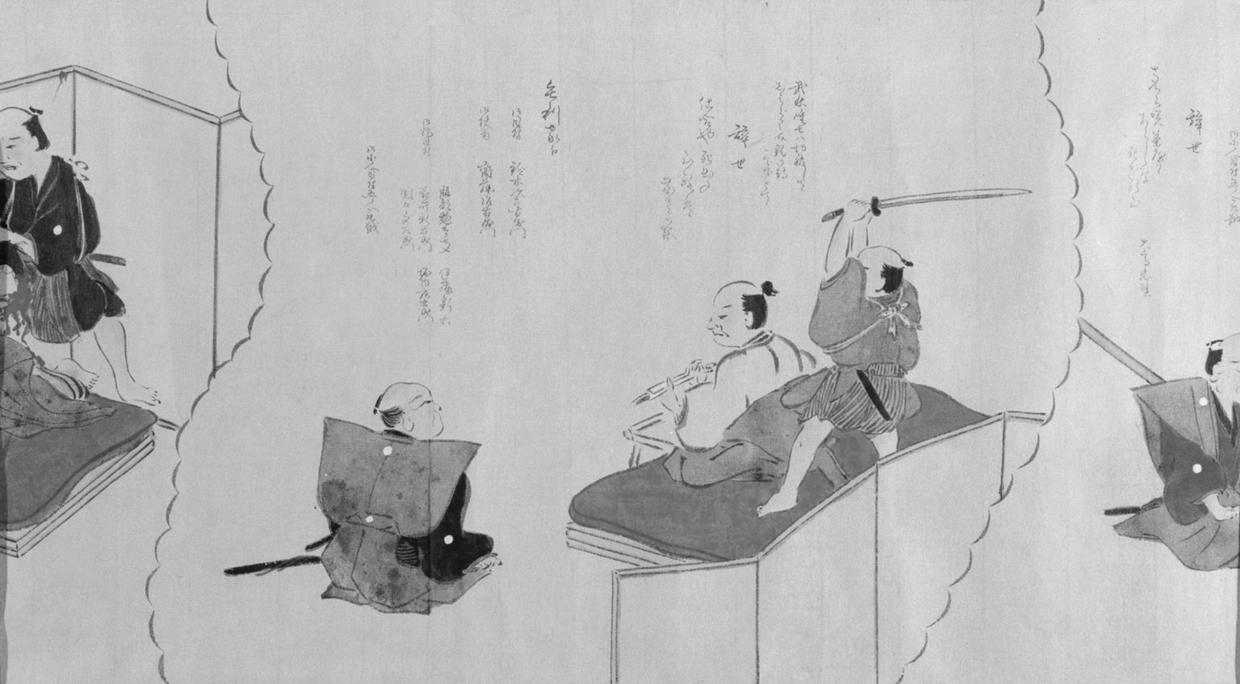
The documents state that several victims were not completely decapitated, with their heads left attached to their bodies by skin at the throat. Although Soviet investigators did not comment on this, it has significance in Japanese cultural tradition.
© Legion-Media/BBM
Traditional seppuku, a ceremonial form of self-disembowelment that also served as a form of capital punishment among the samurai class, was normally carried out with the assistance of a second person. The assistant would cut off the dying person’s head to end the suffering. A technically difficult cut that left the head partly attached was regarded as evidence of exceptional swordsmanship and was intended to preserve the dignity of the person being executed.
Seppuku was long outlawed by 1945, however, and it is highly unlikely that an Imperial Japanese officer intended to grant his prisoners an honorable death. A more plausible explanation is that the executioner was showing off.
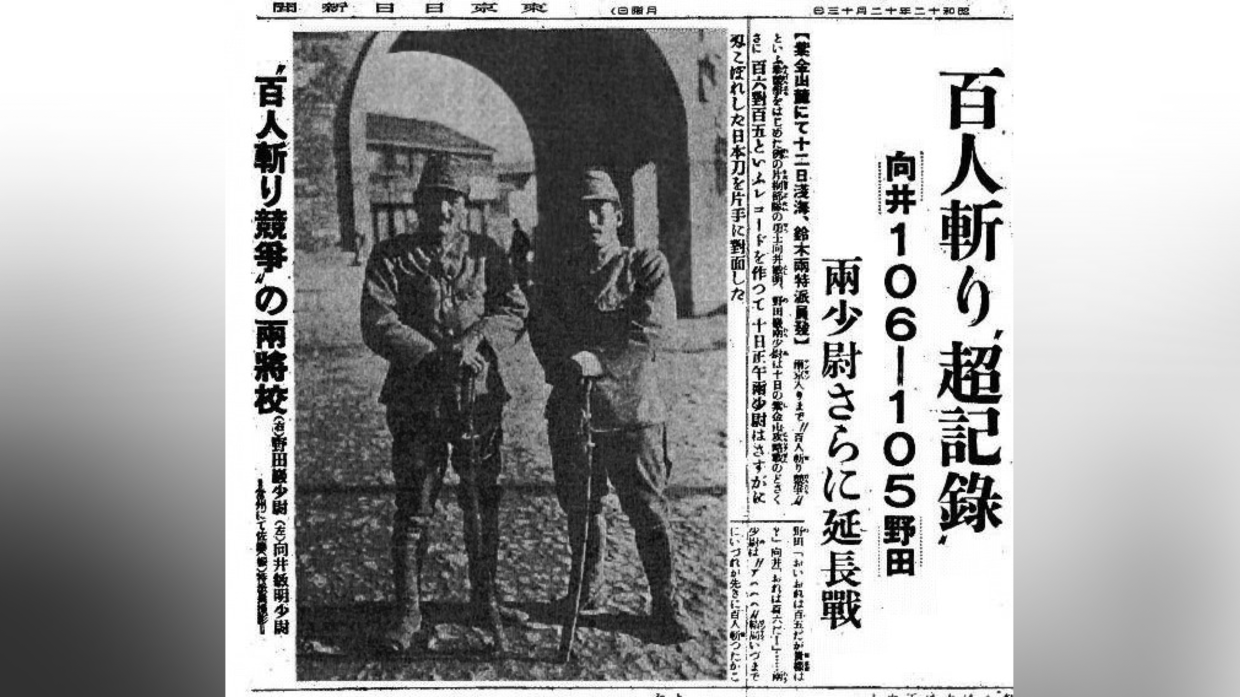
One notorious episode during the Nanking massacre in 1937 involved two Japanese officers who were reported to have competed to see who could kill 100 people with a sword first. Contemporary Japanese newspapers portrayed the victims as battlefield combatants, although researchers have concluded that they were almost certainly prisoners of war.
What happened to the perpetrators?
In November 1945, a Soviet military tribunal sentenced Japanese military and police personnel involved in the mass arrests and executions in Hailar to death. Tokumu Kikan chief Amano and Maj. Gen. Haseki Kageyama, the head of the provincial gendarmerie, were among those executed by firing squad.
Their fate contrasted with that of many other Japanese officers, including Tokumu Kikan alumni, who were later incorporated into the US-backed postwar order. Former enemies, including individuals implicated in war crimes, offered their knowledge and experience to Washington as the Cold War began.
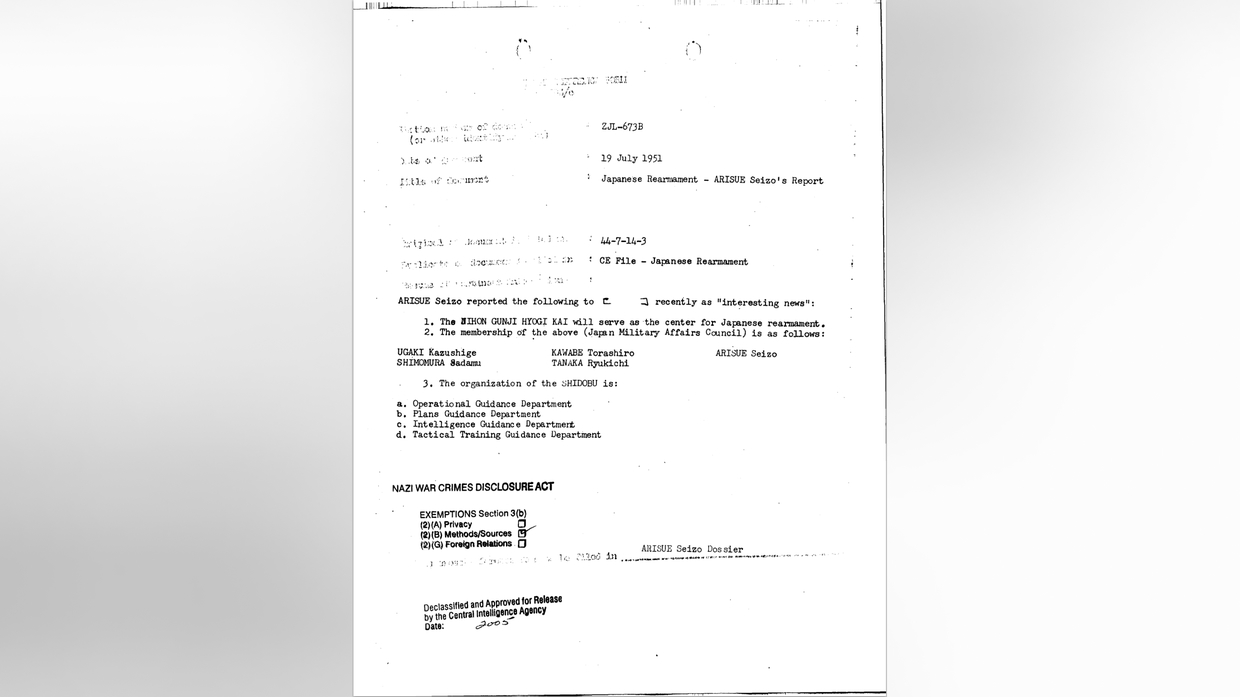
One example was Imperial Japanese spymaster Arisue Seizo. Gen. Charles Willoughby, who headed US military intelligence under Gen. Douglas MacArthur, recruited Arisue and similar figures to kickstart anti-Communist operations in Asia.
© CIA archives
Why did Soviet citizens live in a hostile nation?
Russia became heavily involved in the development of Manchuria in the late 19th century as it sought greater access to Chinese markets. The Russian defeat in the Russo-Japanese War and the collapse of the Russian Empire during World War I, however, sharply reduced the country’s influence in the Far East.
Harbin, one of the main centers of Russian settlement in Manchuria, became a magnet both for people who wanted nothing to do with the new Soviet state and for those seeking to actively undermine it. Some younger Russian emigres in Manchuria came to believe that fascism could provide a path to restoring Russia, creating an organization that at its peak in the 1930s was estimated to have around 20,000 members.
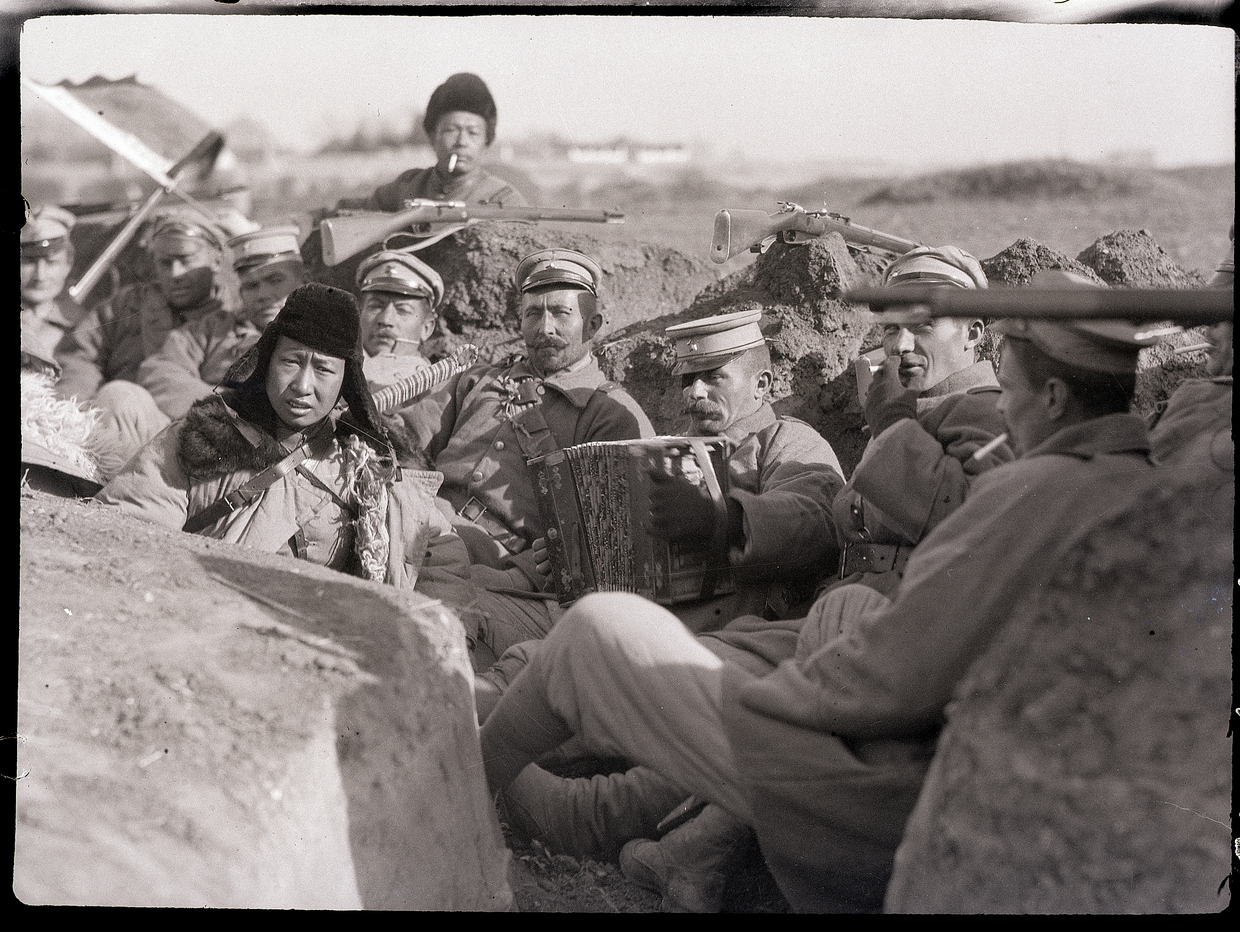
© Getty Images/Bettmann
The Russian community in Manchuria nevertheless remained sharply divided over the Soviet Union. According to historian Sergey Smirnov, around 120,000 people in the region in the 1920s were either Soviet citizens or sympathized with the new state, while more than 100,000 held opposing views.
The divide is also reflected in the newly released documents, which identify a “white emigree” surnamed Kaevich as a member of the Japanese police who took part in the Hailar massacre.
Where are the Hailar massacre archives?
The archives are held by three separate institutions.
The Central Archives of the Federal Security Service (CA FSB) holds interrogation transcripts, personal files and and background declarations of Japanese officers and medical personnel.
The Russian State Military Archive (RGVA) stores operational military records of the Soviet Red Army’s trans-Baikal offensive into Manchuria in August 1945.
The State Archive of the Russian Federation (GARF) stores the official state records, evidence compilations, and international legal paperwork regarding the 12 primary Japanese war criminals prosecuted by the Soviet Union for crimes against humanity in Northeast China.
September 3, 2026 at 02:47AM
RT