The dispute over the North African cities remains a painful colonial legacy, born from an era when European powers decided the fate of entire peoples
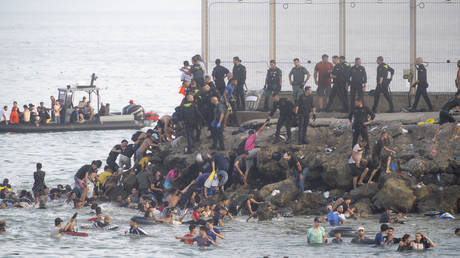
Amid the migration crisis in Ceuta that erupted in late July, the dispute between Rabat and Madrid over two Spanish semi-exclaves on Africa’s Mediterranean coast once again came to the forefront. Spain called the mass border crossing by over 70,000 illegal migrants a violation of its territorial integrity. For its part, Morocco, which does not recognize Spanish sovereignty over Ceuta and Melilla or the small adjacent uninhabited islands, once again raised the issue of their “occupation” by Spain and asserted its own historical right to them.
The dispute has a long history. Ceuta and Melilla did not become Spanish territories because they had once belonged to Spain; neither did Morocco’s borders as we know them today exist in the 15th century. Rather, Ceuta and Melilla came under the control of Spain as a result of the later Crusaders’ expansion in the Mediterranean and the early modern-period wars, events that later gave rise to European colonialism.
Since Morocco gained independence in 1956, Rabat has regularly raised the question of the status of the enclaves, seeking to have them brought back under its own control by means of dialogue. In 1975, Rabat unsuccessfully attempted to bring the matter before the UN; in 1987, King Hassan II officially proposed establishing a joint “célula de reflexión,” reflection cell, with Spain to negotiate the future status and eventual handover of the two cities. Unsurprisingly, Spain rejected this proposal.
In the early 2000s, diplomatic demands even escalated into a brief military standoff. On July 11, 2002, a Spanish Civil Guard patrol boat discovered a Moroccan flag and a group of gendarmes on Perejil, a tiny islet located near Ceuta which is also claimed by Rabat.
After Morocco rejected Madrid’s demand to immediately remove both the flag and the armed personnel from the island, Spanish special forces landed there by helicopter on July 17. The Moroccan troops were disarmed without a shot being fired and were subsequently returned to their country, restoring the status quo.
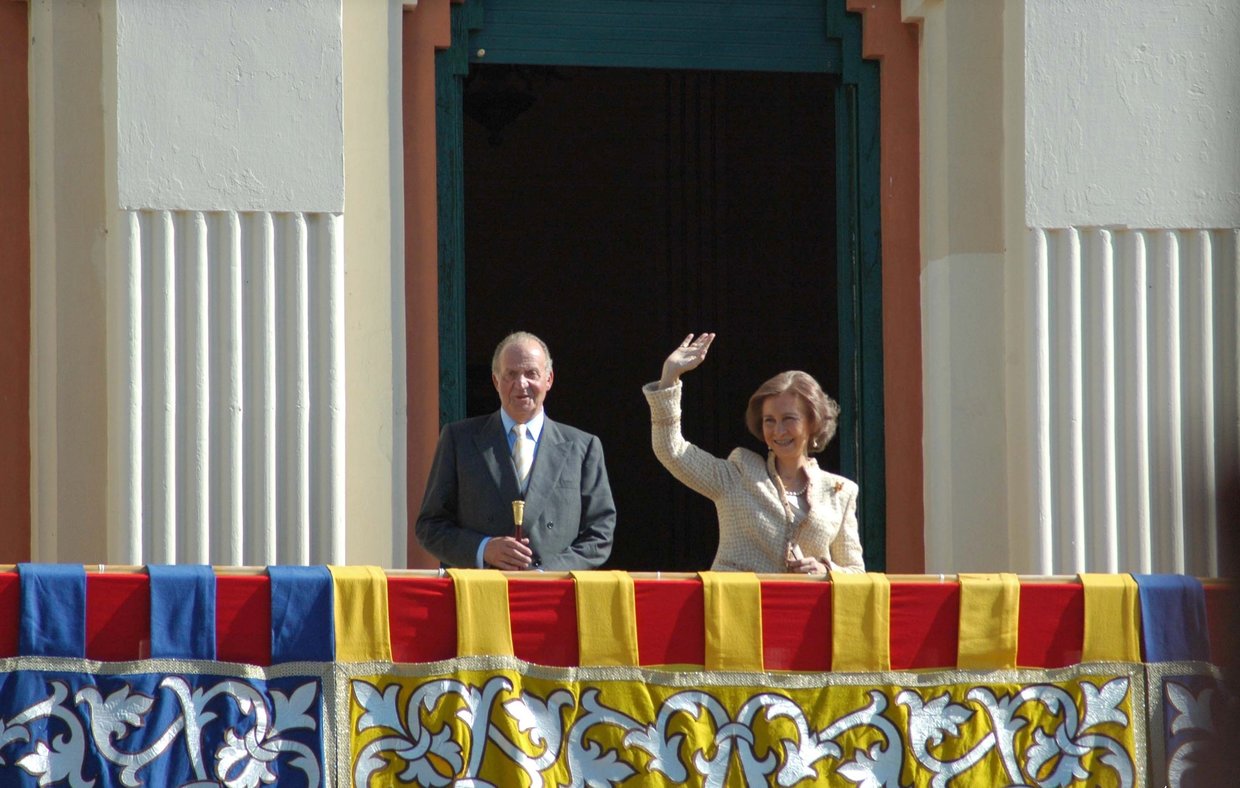
In 2007, Morocco officially recalled its ambassador for consultations following a historic state visit by Spain’s King Juan Carlos I and Queen Sophia to both enclaves.
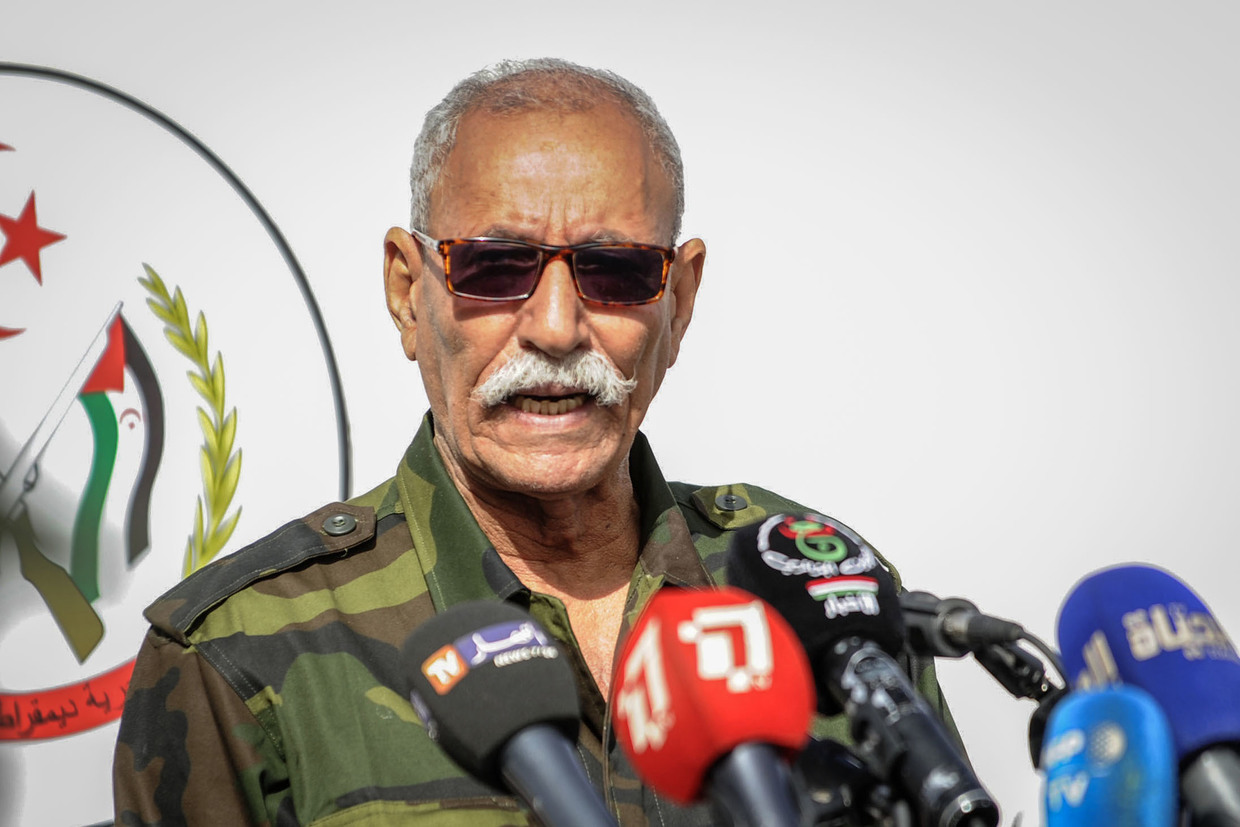
The dispute over the status of the enclaves reignited in 2021, when Rabat recalled its ambassador from Madrid after Spain secretly admitted Brahim Ghali – leader of the POLISARIO Front, which fights for Western Sahara’s independence from Morocco – to a hospital for treatment. Diplomatic relations were restored in March 2022, when Spanish Prime Minister Pedro Sanchez sent a letter to the King of Morocco endorsing the Moroccan autonomy plan for Western Sahara.
Sahrawi President Brahim Ghali speaks during a military parade marking the 45th anniversary of the declaration of the Sahrawi Arab Democratic Republic (SADR), near the Algerian city of Tindouf, considered as the Sahrawi capital in exile, February 27, 2021.
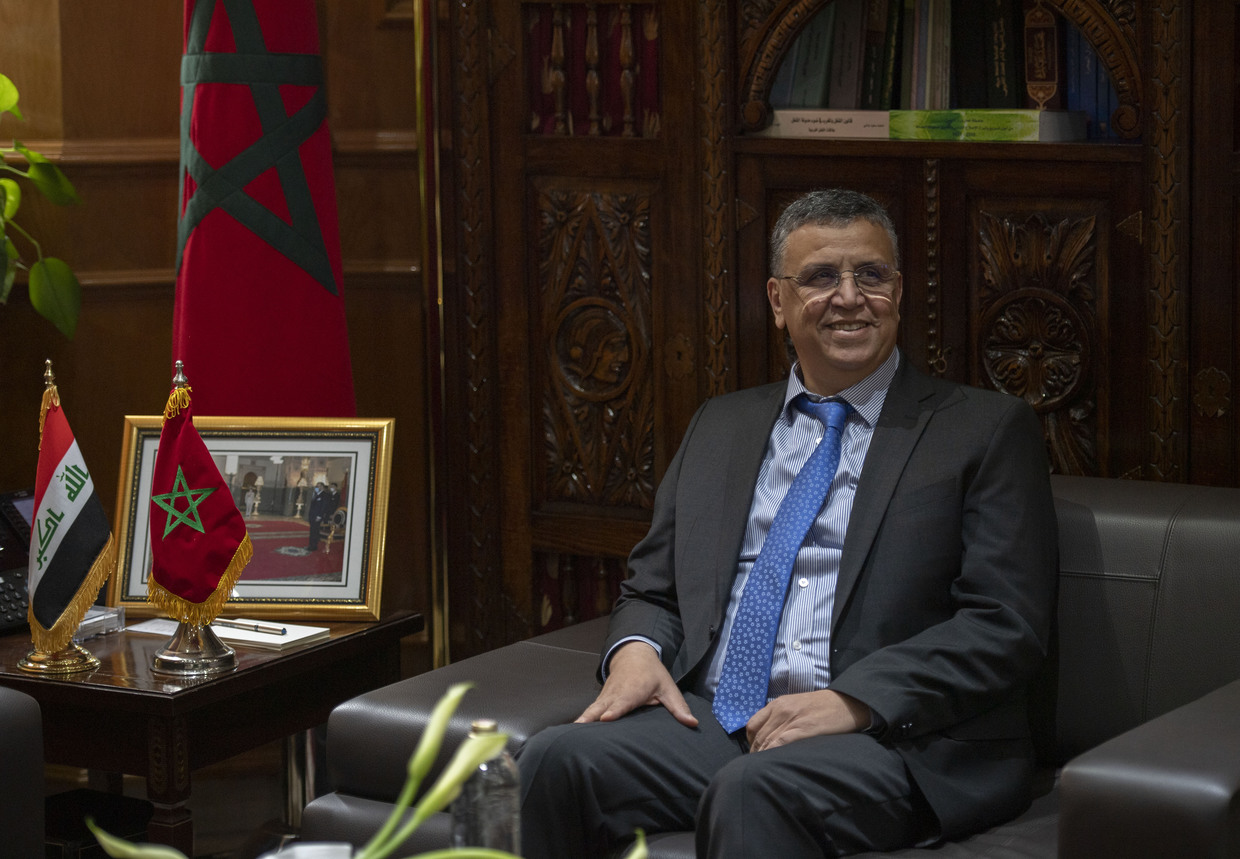
The current events in Ceuta have once again stirred up the dispute surrounding the two enclaves, despite the strong partnership between Madrid and Rabat and their commitment to cooperation in resolving the migration crisis. Moroccan Minister of Justice Abdellatif Ouahbi spoke on the matter.
Moroccan Minister of Justice Abdellatif Ouahbi meets his Iraqi counterpart, Salar Abdul Sattar Mohammed, in Rabat, Morocco, March 24, 2022.
In an interview with Arab media on August 11, he stated that his country had consistently raised the issue of the status of the cities, seeking a long-term solution through dialogue. In response, Spanish authorities stated that they had always considered both cities an integral part of their territory.
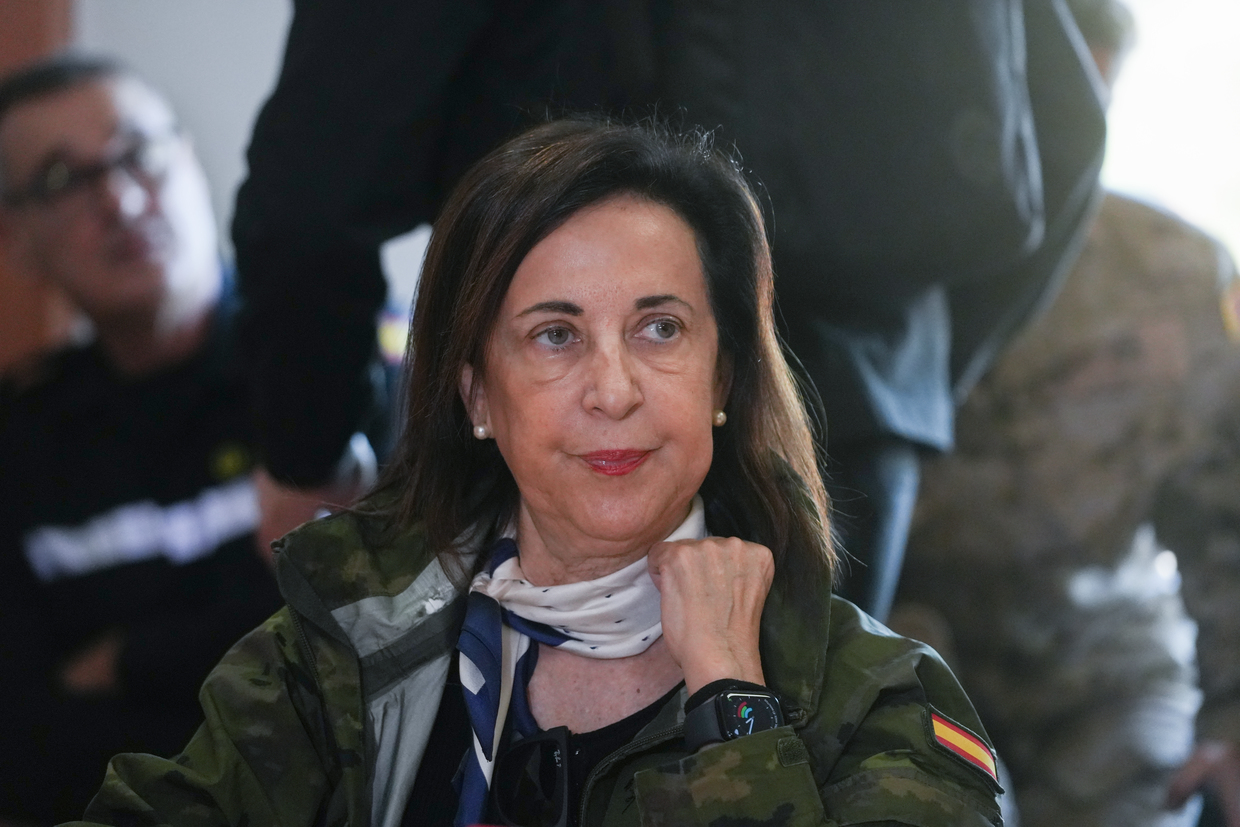
“Ceuta and Melilla aren’t just Spanish; they’re super-Spanish and cannot be touched,” said Defense Minister Margarita Robles when asked to comment on Ouahbi’s remarks.
Spanish Defense Minister Margarita Robles during her visit to the Jaime I Military Base, November 9, 2024, in Betera, Valencia.
No further official statements were issued by Moroccan officials; however, a noteworthy event took place on August 24. During the Eid al-Mawlid (Prophet Muhammad’s birthday) ceremony held in the presence of King Mohammed VI, Moroccan Minister of Islamic Affairs Ahmed Toufiq mentioned ancient Sufi prayers and texts from the 7th and 15th centuries.
He claimed that they had served as a rallying cry for Moroccans during past battles to liberate occupied territories, such as the Spanish enclaves of Ceuta and Melilla. He also noted that Ceuta had given Morocco two prominent religious figures: Qadi Ayyad, author of ‘Al-Shifa’, and Abu al-Abbas al-Azafi, author of ‘Al-Durr al-Munazzam’. Although these remarks were not official, the fact that they were spoken before the Moroccan monarch sparked intense media discussions.
In Morocco, where the words of officials spoken in the king’s presence are carefully weighed and politics is steeped in symbolism, such a historical reference is no minor detail, especially when it concerns a topic as sensitive as “occupied cities” and is voiced just weeks after a crisis that has once again thrust Ceuta and Melilla to the forefront of the debate between Morocco and Spain.
The population of the enclaves
An uninitiated observer glancing at a map of Morocco might be surprised to find two cities on its coastline belonging to a state located on another continent. Geographically, Ceuta and Melilla are situated in Africa and surrounded by Moroccan territory; yet politically and administratively, they belong to Spain.
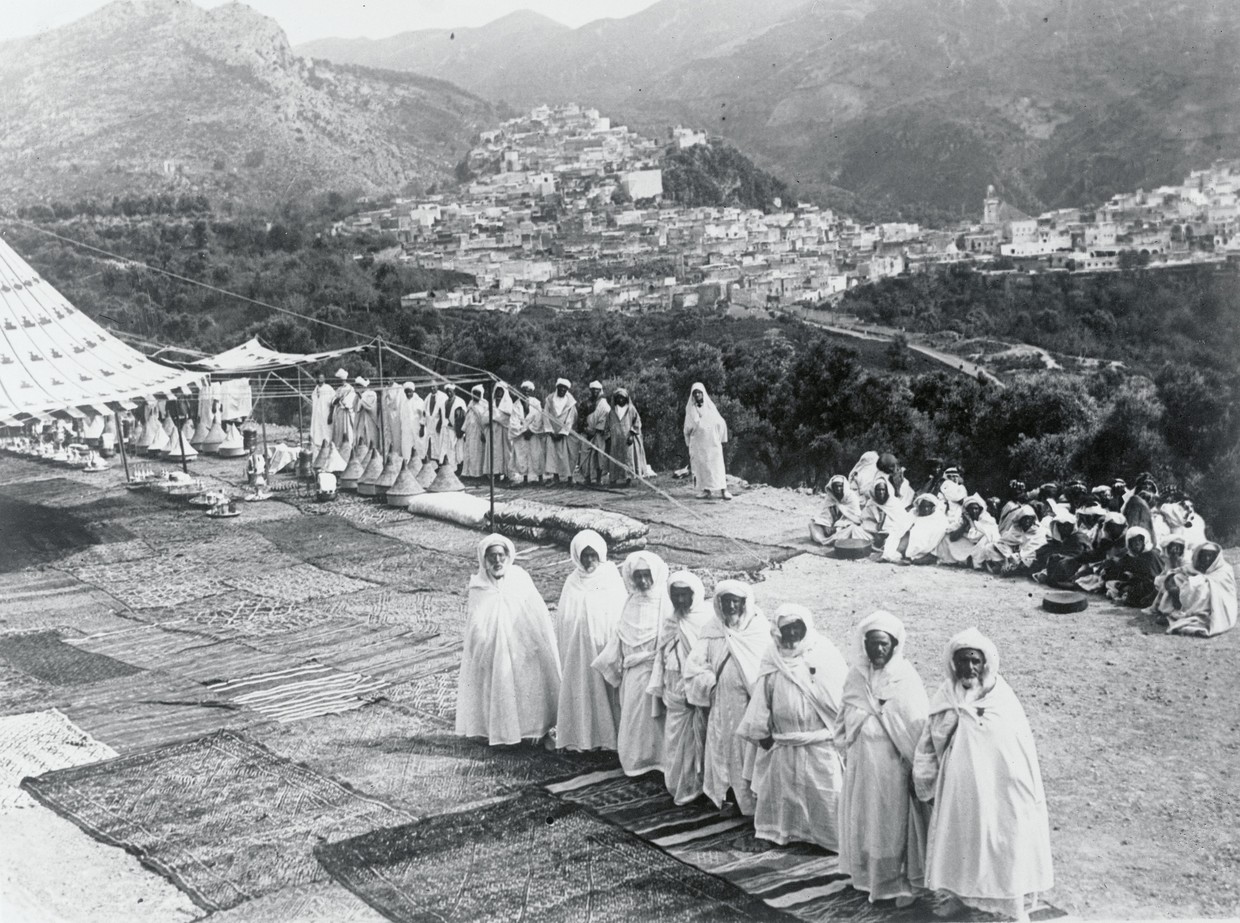
Morocco’s Riffian Berbers in War Council, May 18, 1925.
Such ‘patches’ on the world’s political map are often the result of colonial expansion, wars, unequal treaties, and established historical borders. Many of them retain conflict potential and ignite diplomatic disputes. Examples include French Overseas Territories such as Mayotte (claimed by the Comoros) and the Scattered Islands in the Indian Ocean (disputed by Madagascar) – as well as the Chagos Archipelago, which the UK never transferred to Mauritius.
Spain considers Ceuta, Melilla, and the nearby small islands to be its territory and has secured their inclusion within the EU, thereby establishing the EU’s southern frontier in Africa. Today, the two cities have a combined population of approximately 170,000 people, the majority of whom are of Moroccan origin.
A Spanish report titled ‘The Demography of the Canary Islands, Ceuta, and Melilla’ and published by the Center for Studies, Training, and Social Analysis (CEU CEFAS) in July 2028, stated that native Moroccans with Arabic surnames account for 53.5% of the population in Ceuta and 56.4% in Melilla. Among newborn boys, the proportion of Arabic names stands at 81.1% and 93% respectively, whereas 50 years ago this figure ranged from 22% to 23%.
For decades, Moroccans and Spaniards have coexisted peacefully in these two enclaves. The countries coordinated operations at border crossings and erected long walls separating both cities from Moroccan territory—structures that, in a sense, resemble the walls built by Israel in the West Bank. Spain constructed these barriers years ago with EU support and in coordination with Morocco to prevent illegal migration into Ceuta and Melilla, which are part of the Schengen Area.
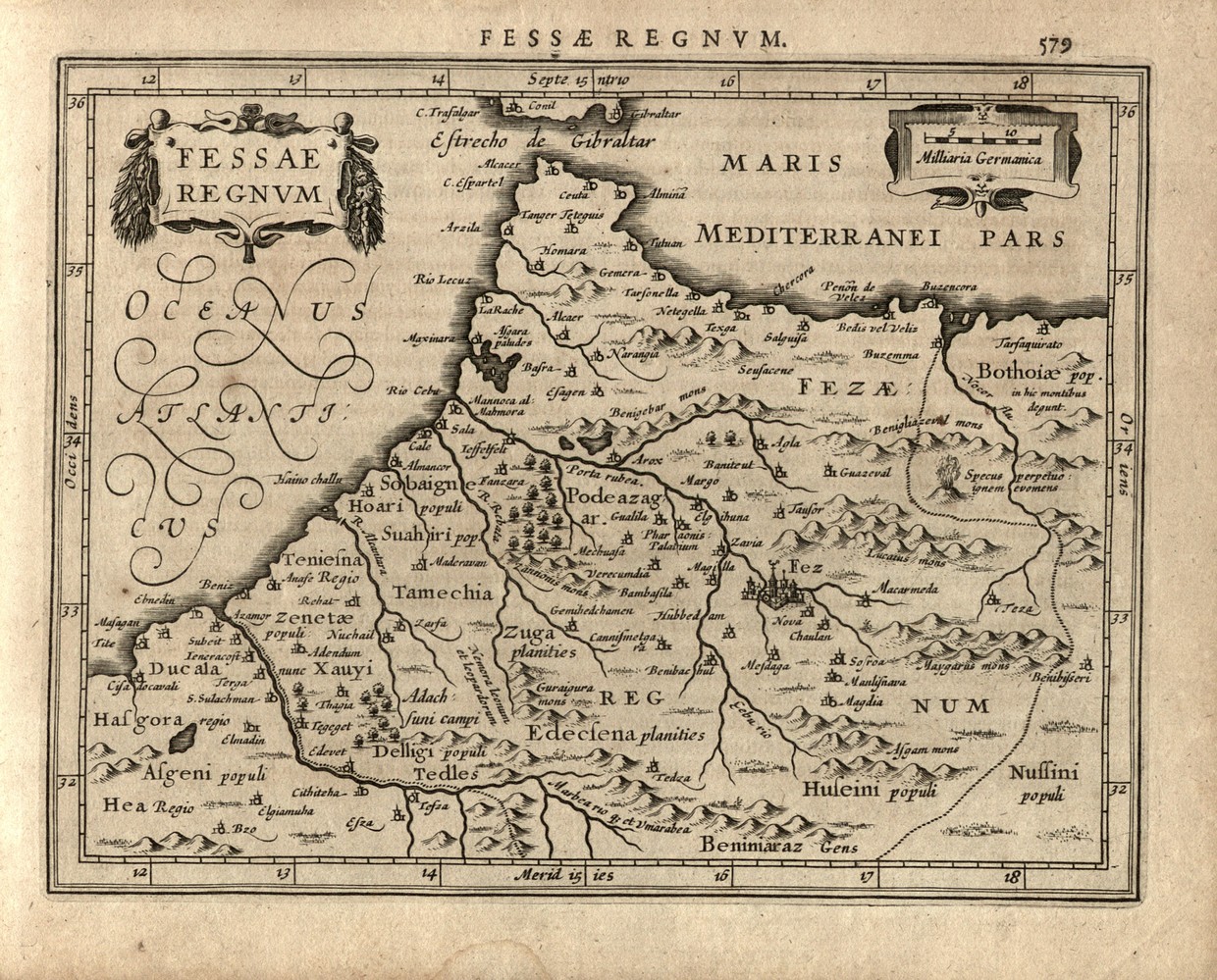
Europe Kingdoms, Map of the Fez region, Morocco, 1634.
Phoenician, Roman, Byzantine, Arab, and Portuguese Ceuta
Historically, both cities date back to antiquity and were founded by the Phoenicians. Over the centuries, they came under the rule of various empires and dynasties. Spain claims the enclaves as its own on the grounds that they were incorporated into its territory long before the formation of an independent Morocco in 1956.
Morocco, however, maintains that the cities, which are located on the African continent and directly off the country’s coast, are part of its indivisible territory, insisting that dynastic changes did not sever the close ties of Ceuta and Melilla with the surrounding region.
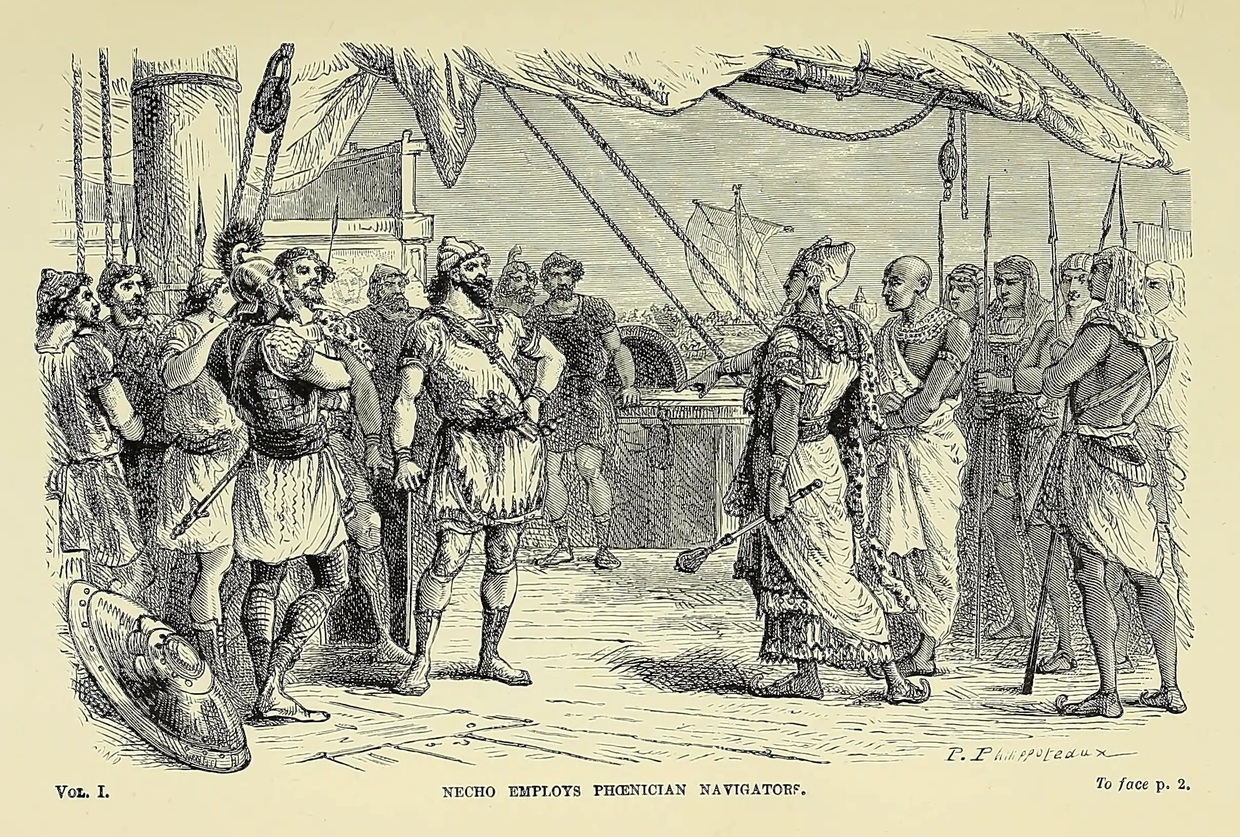
Illustration of a traditional account of a Phoenician expedition around Africa commissioned by Pharaoh Necho II, depicting a Phoenician captain (traditionally identified as Mago) and crew aboard an ancient ship (Africa and its exploration, ca 1891).
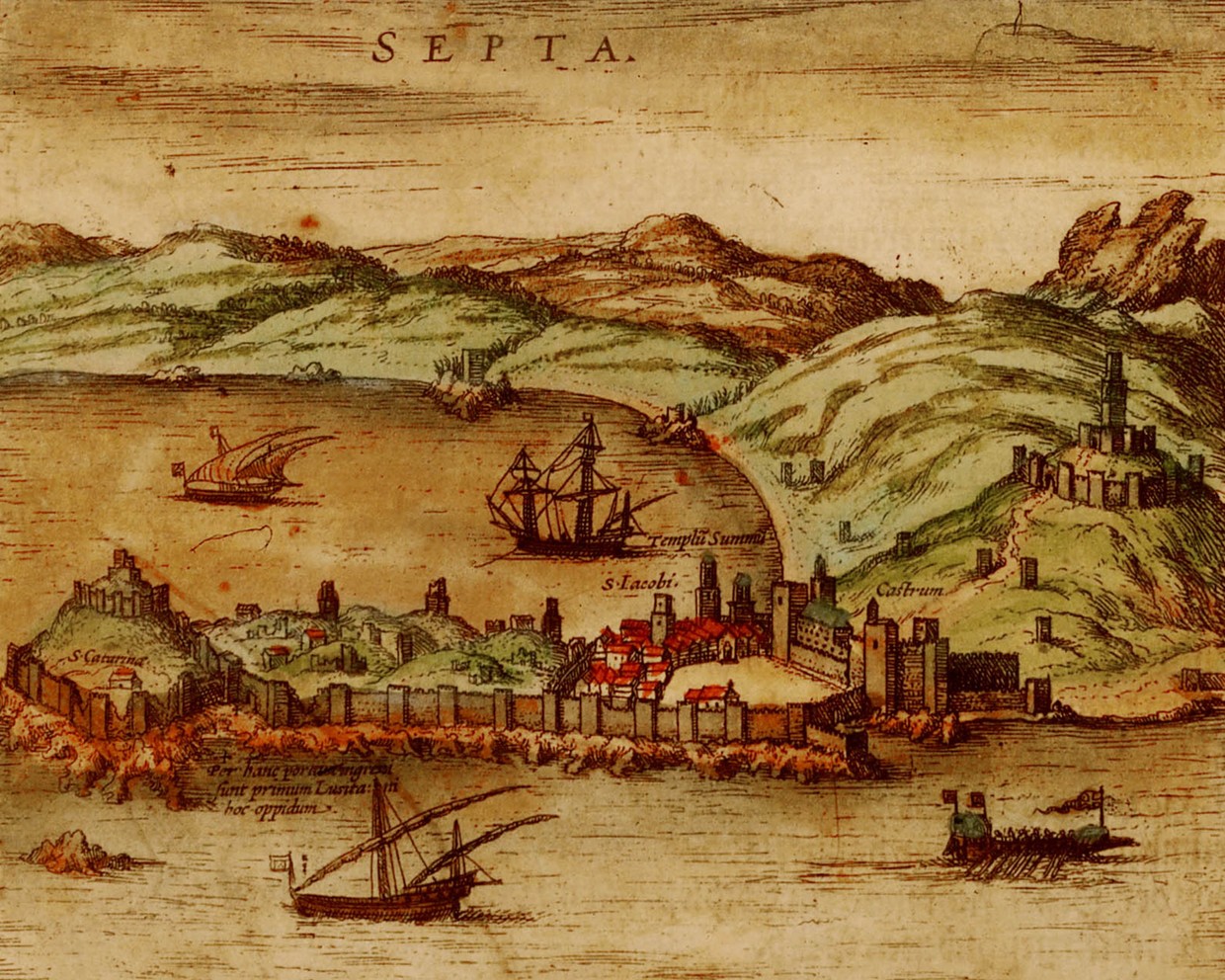
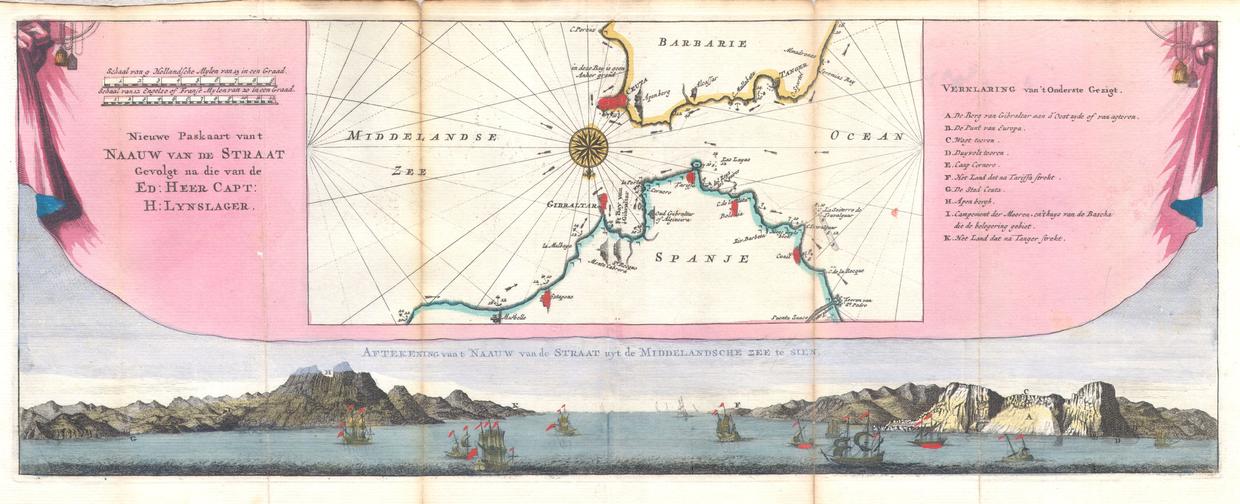
Ceuta is situated at the point where the Mediterranean Sea connects to the Atlantic Ocean, directly opposite Gibraltar. Historically, it has served as a transit point for ships, goods, armies, and religious missions.
The city experienced Phoenician, Roman, and Byzantine periods; in the 8th century, following extensive Islamic conquests, it passed into Arab hands and was subsequently ruled for centuries by Arab and Berber dynasties of the Maghreb and Al-Andalus. Throughout this time, Ceuta remained an important city of the western Islamic world.
This campaign, imbued with the spirit of the Crusades, is generally regarded as the beginning of the Portuguese Empire (Europe’s first colonial empire). The major overseas stronghold ushered in an era of Portuguese expansion along the African coast and, subsequently, toward India, Brazil, and the Atlantic.
Transfer of Ceuta to the Spanish Crown
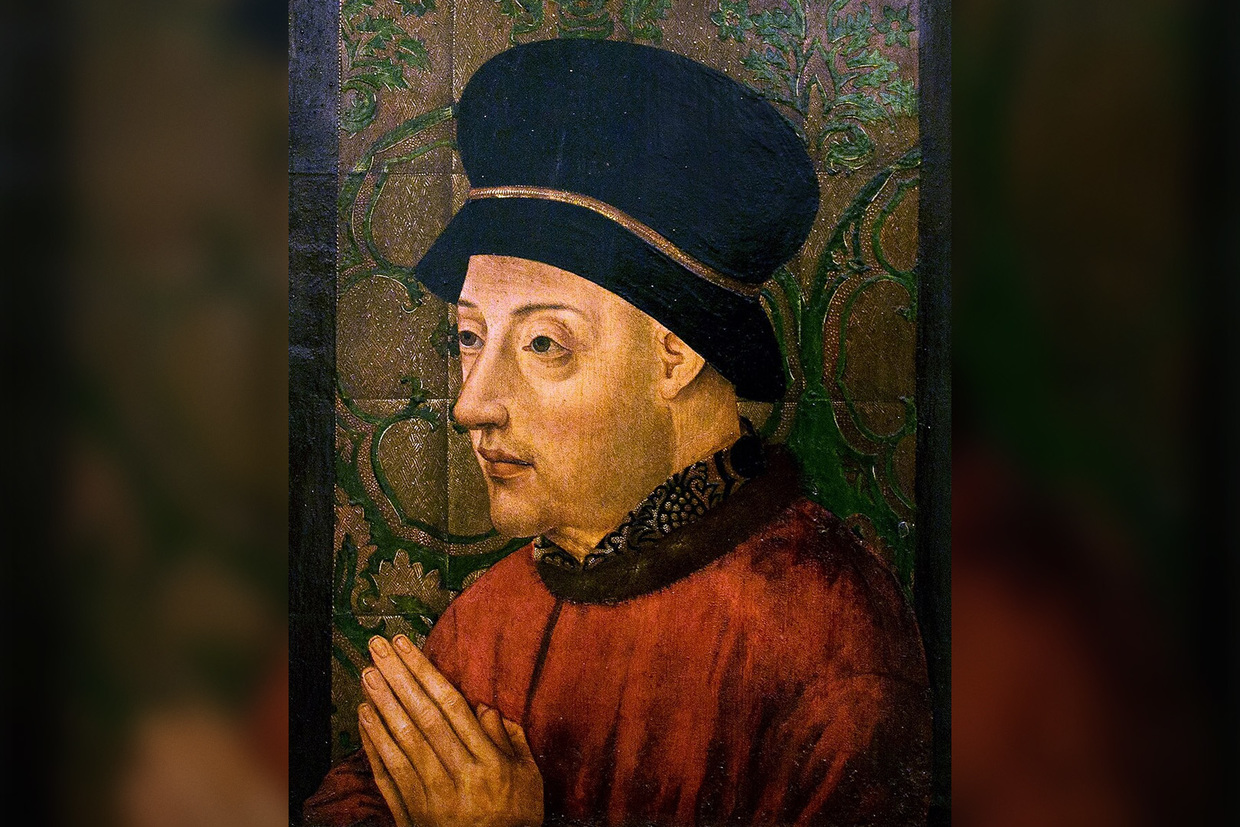
Ceuta was the only territory of the Portuguese Empire to remain loyal to the Spanish Crown after Spain and Portugal, which formed the Iberian union in 1580, dissolved it in 1640. Its transfer to Spanish sovereignty was formalized by the Treaty of Lisbon: on January 1, 1668, King Afonso VI of Portugal officially ceded Ceuta to Charles II of Spain.
Therefore, Ceuta came under the control of Spain not through a Spanish conquest of Morocco, but as a result of the dissolution of the dynastic union between the two Iberian monarchies; the city’s fate was determined not by its inhabitants, but by local elites and monarchs. In this context, it is difficult to assert with certainty that Ceuta is an integral part of Spain based on its historical affiliation.
The conquest of Melilla and the status of free ports
The story of Melilla is somewhat different. Located further east than Ceuta, the city also boasts a long history. By the time of its conquest by the Spanish in 1497, Morocco was undergoing a period of political fragmentation and a weakening of central authority, coinciding with the onset of active expansion by European invaders hardened by the wars of the Reconquista.
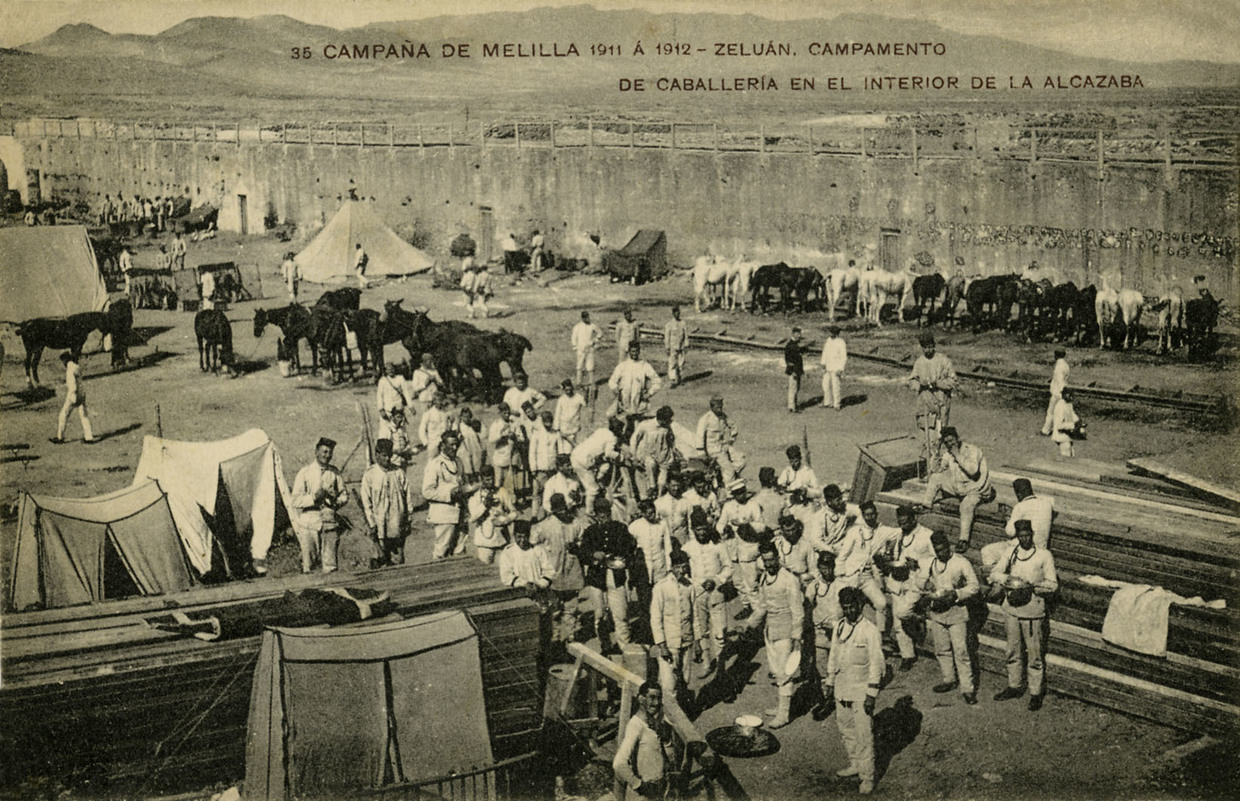
Spanish cavalry at a fort in Melilla, Morocco, 1912.
The capture of the city was almost bloodless: Melilla had been weakened by regional conflicts and could not defend itself properly. The Spanish quickly transformed the city into a military and trading stronghold on the opposite shore of the Mediterranean.
Melilla and Ceuta were not the only ports and territories in Morocco conquered by the Spanish at the dawn of the modern era. While many territories were subsequently lost, these two enclaves, administered directly from Madrid, remained under Spanish sovereignty due to their strategic and military value.
Ceuta and Melilla were repeatedly besieged by Moroccan forces. The Hispano-Moroccan War of 1859–1860 significantly strengthened Spain’s position in North Africa.
Following the Treaty of Fes in 1912, France and Spain established a protectorate over Morocco, while Ceuta and Melilla were granted the status of free ports.
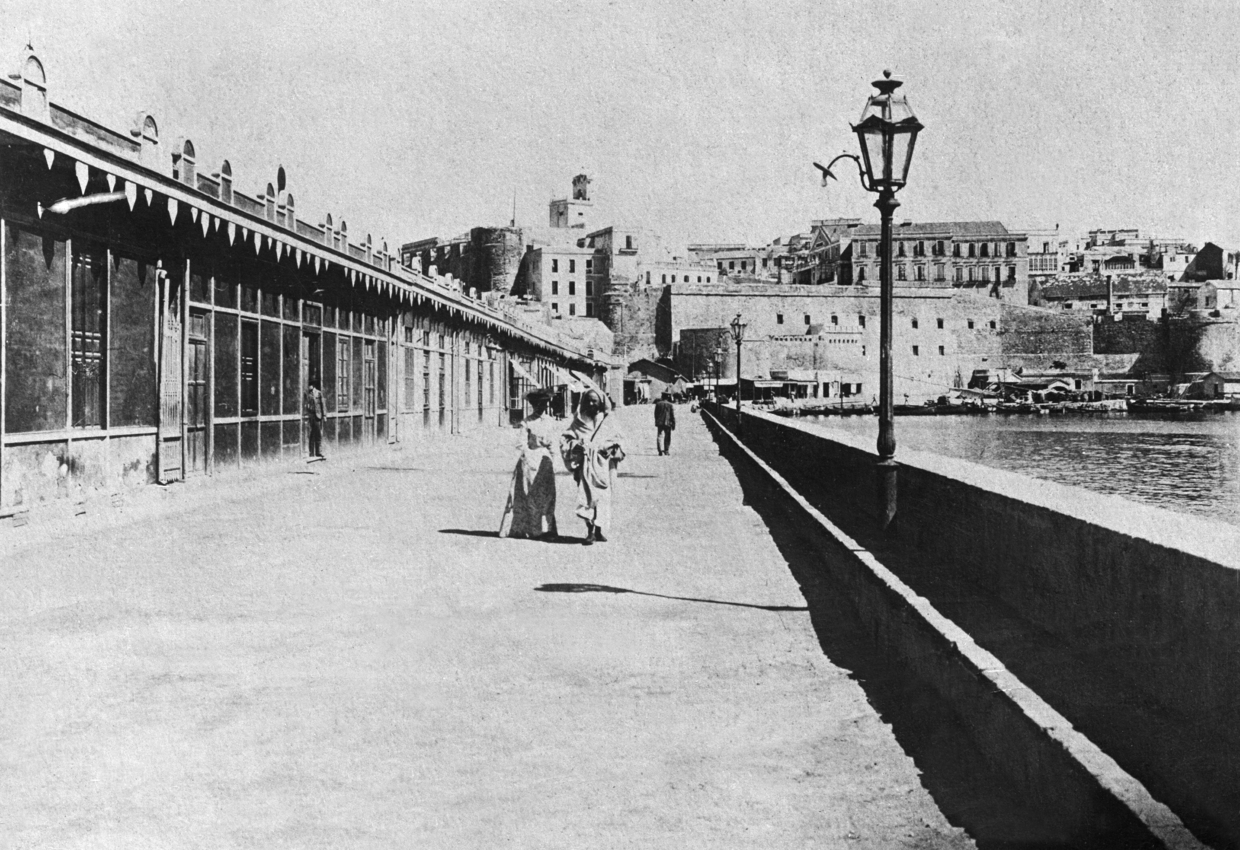
Melilla, Spanish-Morocco: Waterside promenade ‘Paseo del General Macias’ 1909.
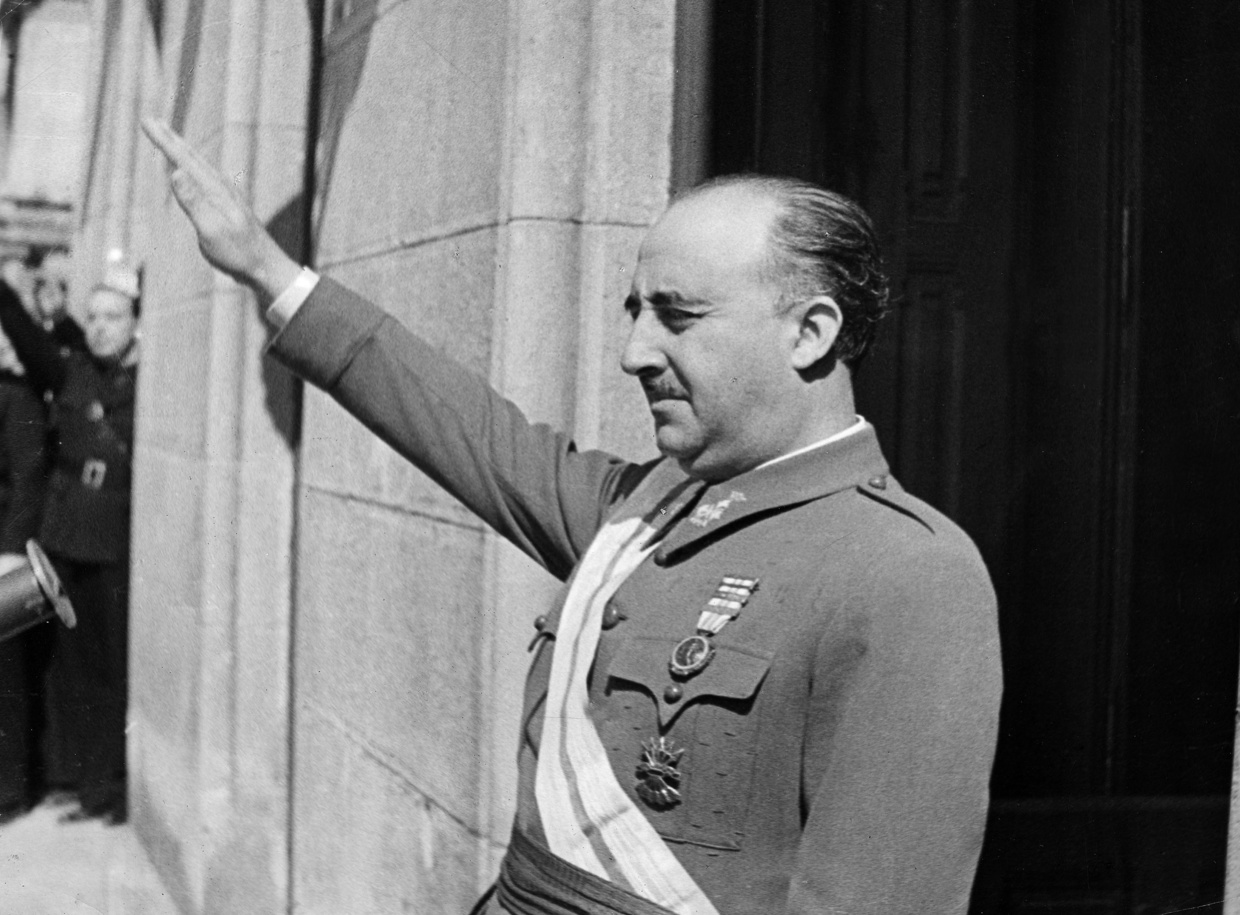
Melilla went down in history as the starting point of the Francoist uprising in 1936. When Morocco gained independence in 1956, Ceuta and Melilla were not included in the agreements governing the transfer of sovereignty to the new state. The fact that Spain retained control over these cities is often linked to the foreign policy of the Francisco Franco regime.
Spain maintained that these cities had never been part of the protectorate established in 1912. Francoist diplomacy drew a sharp distinction between “protectorate territories” (which were returned to Morocco) and “ancestral Spanish lands”
Spanish sovereignty over Ceuta and Melilla has been enshrined in the country’s constitutions: first, the Constitution of 1812 and then the current Constitution of 1978. In 1995, both territories were granted autonomous status and officially designated as autonomous cities of Spain.
General Francisco Franco makes an address to the people, 1936.
Morocco calls Ceuta and Melilla occupied cities and views them within the context of an unfinished decolonization process. Politically, this stance is understandable. Morocco gained independence in 1956, yet the Spanish territories on its northern coast remained outside the new state.
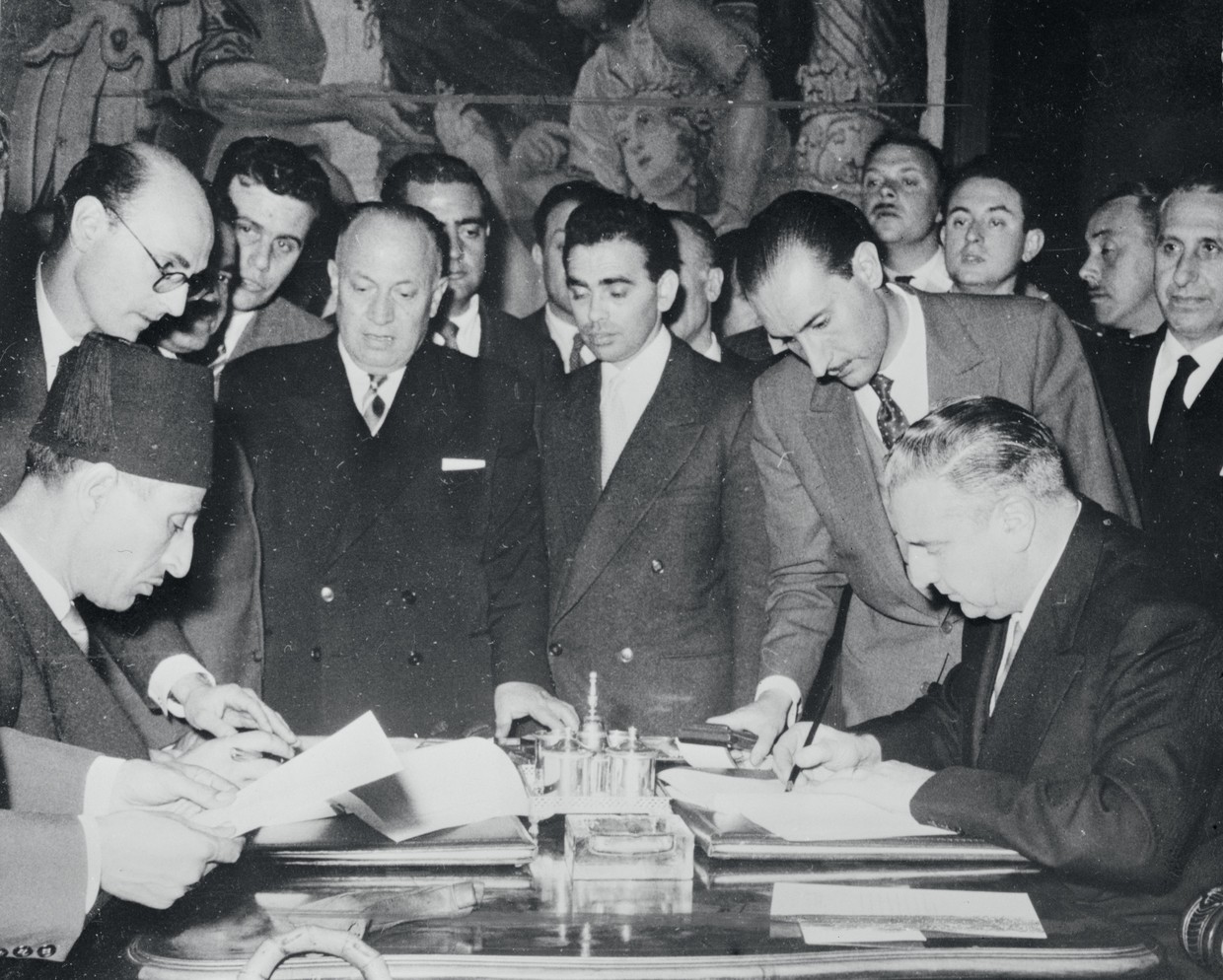
Moroccan Premier Si Embarek El Bekkai and Spanish Foreign Minister Alberto Martin Artajo sign a declaration at the El Pardo Palace, by which the Khalifian Zone of Morocco – formerly under the Spanish Protectorate – becomes part of the new independent state of Morocco.
Rabat is highly sensitive to any issue concerning national borders and regards Spanish sovereignty over the two enclaves as a violation of its territorial integrity, much like the dispute over Western Sahara.
One of Spain’s arguments is that Ceuta and Melilla are not on the UN list of Non-Self-Governing Territories, to which the decolonization framework of Chapter XI of the UN Charter applies. That list includes territories whose peoples have “not yet attained a full measure of self-government.”
In 1975, Morocco attempted to place the inclusion of Ceuta, Melilla, and other Spanish possessions in North Africa on the UN’s decolonization agenda, but the initiative was unsuccessful. Spain also emphasizes that both cities are not overseas territories with a separate colonial status but rather integrated parts of the state: they possess elected institutions, representation within the Spanish political system, and the status of autonomous cities.
Gateway to Europe: painful colonial legacy
The current crisis has brought this longstanding dispute back into sharp focus, demonstrating that migration has once again become a tool of diplomatic leverage. Both Spain and the EU rely heavily on Morocco to police coastal routes and the land borders around the enclaves.
For its part, Morocco gains significant leverage: the loosening or tightening of border control immediately becomes the EU’s problem. For example, in May 2021, about 8,000 people crossed the border into Ceuta over the course of two days; many of them swam from Morocco. At that time, amidst a cooling of Spanish-Moroccan relations, border management was used as an instrument in the diplomatic conflict.
The dispute over Ceuta and Melilla remains a painful legacy of the colonial era when the fate of territories and peoples was determined by the will of European powers rather than by their own right to self-determination. The fact that the issue remains unresolved serves as a reminder that colonialism left behind not only political borders but also enduring conflicts.