Insecurity and population movement are increasing the risk of wider virus transmission, Tedros Adhanom Ghebreyesus has said
Nearly 600 suspected Ebola infections and at least 139 suspected deaths have been reported during the latest outbreak in eastern Democratic Republic of the Congo (DR Congo), the World Health Organization (WHO) announced on Wednesday.
Congolese Health Minister Samuel Roger Kamba has reported the country has so far recorded 543 suspected Ebola cases.
WHO Director-General Tedros Adhanom Ghebreyesus warned that the outbreak could worsen rapidly, citing several factors driving the spread of the virus. According to the WHO, the number of cases is expected to rise further because Ebola had likely been “circulating for weeks” before health authorities detected the outbreak. Cases have already been identified in several urban areas, while healthcare workers are among the dead, raising fears of transmission inside medical facilities.
The crisis is being compounded by mass displacement and insecurity in Ituri province, where the highest number of suspected deaths has been recorded and more than 100,000 people have reportedly fled escalating violence in recent months.
“The province of Ituri is highly insecure,” Ghebreyesus stated.
The African state continues to grapple with instability as the M23 rebel group maintains control over parts of the region, fueling ongoing clashes and humanitarian crises.
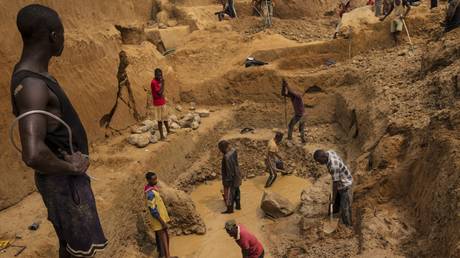
Ghebreyesus also warned that the outbreak involves the Bundibugyo strain of Ebola, for which there are currently no approved vaccines or treatments. The affected area is a mining zone with constant population movement, increasing the risk of the virus spreading further across the region.
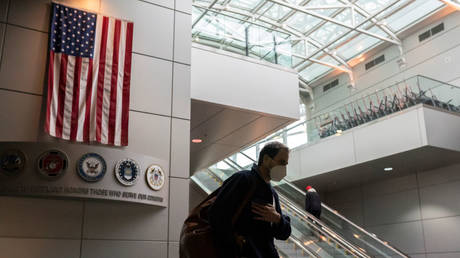
Several countries have introduced emergency restrictions. The US has barred entry for non-citizens who visited DR Congo, Uganda, or South Sudan within the previous 21 days. Bahrain has suspended the entry of foreign travelers arriving from the three African nations for 30 days, while Jordan also halted entry for travelers arriving from DR Congo and Uganda, according to state media.
African countries are also tightening Ebola prevention measures. Burundi, Zambia, and Tanzania have strengthened border controls, surveillance, and testing capacity, while Rwanda temporarily closed its border with DR Congo.
DR Congo and Uganda confirmed their first Ebola cases on May 15. The WHO declared the outbreak a global public health emergency on Sunday.